


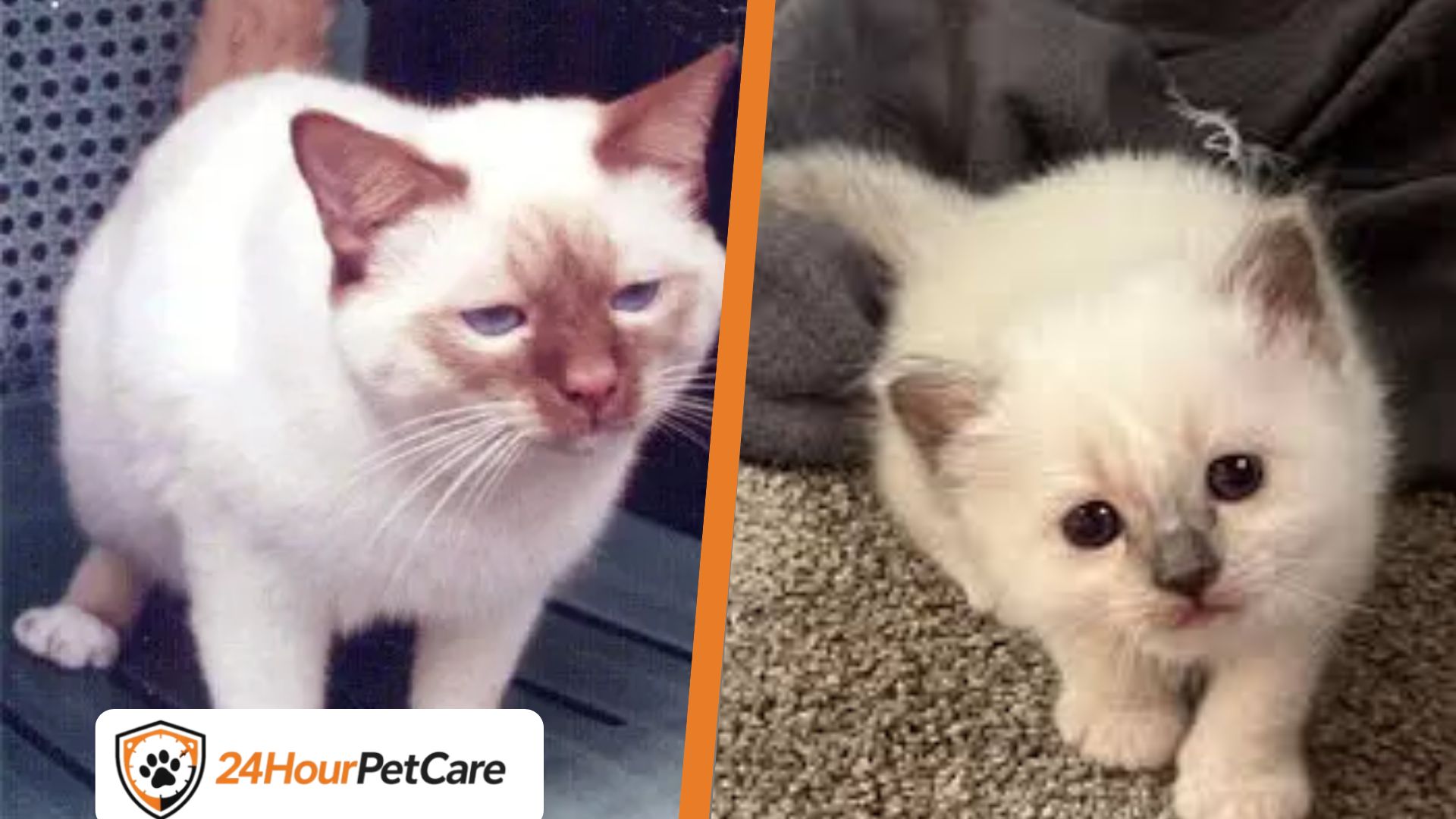
The idea of Templecat Cat is one of the most fascinating internet and cultural concepts connected with spiritual cats, myths, and ancient beliefs. It is not a single real breed but a symbolic name used to describe cats linked with temples, luck, and mystery. Many cultures like Japan, Egypt, Thailand, and Buddhist regions contribute to this idea. In this guide, you will understand the deep meaning, history, and global influence of Templecat Cat in simple B-1 English.
What is Templecat Cat?
The term Templecat Cat is not an official breed in science or cat registries. Instead, it is a symbolic name used for cats that appear in religious places or spiritual stories. These cats are often seen as lucky, peaceful, or magical in different cultures. The meaning changes depending on region, but the idea always connects cats with mystery, protection, and fortune. Many online stories and games also use this name for fantasy characters.
In modern usage, Templecat Cat represents both real temple cats and fictional spiritual guardians. It combines myths from Japan’s lucky cats, Egypt’s sacred cats, and Buddhist temple traditions into one idea. This makes the keyword popular in blogs, gaming, and storytelling content.
Origin and Cultural Background
The idea behind Templecat Cat comes from ancient beliefs where cats were considered sacred or lucky animals. In many early civilizations, cats lived near holy places and were respected for their calm nature. Over time, these beliefs turned into stories and symbols that still exist today in temples and cultural art.
In internet culture, Templecat Cat became a modern keyword that mixes real traditions with fantasy. It is used in blogs, SEO content, and gaming references to describe spiritual or mystical cats. This combination of history and imagination makes it very popular online.
Gotokuji Temple and Lucky Cat Tradition
One of the strongest real-world connections to Templecat Cat is Gōtokuji Temple in Tokyo, Japan. This temple is known as the birthplace of the famous maneki-neko, or “beckoning cat.” Thousands of cat statues are placed there by visitors who believe they bring good luck.
The story says a cat saved a samurai from lightning, which made the cat a symbol of protection and fortune. Today, tourists visit the temple through local train routes to see these lucky statues. This cultural site plays a big role in shaping the meaning of Templecat Cat around the world.
Maneki-neko and Spiritual Meaning
The Japanese maneki-neko is often called a “lucky cat,” and it is closely related to Templecat Cat ideas. These cats are shown with raised paws, symbolizing attraction of wealth, customers, or good fortune. Different colors also have different meanings.
White cats bring general luck, black cats protect from evil, and gold cats attract money. Many businesses place these figures at entrances for success. This cultural belief is one of the strongest influences behind the global idea of Templecat Cat and its spiritual meaning.
Temple Cats in Buddhist Traditions
In Buddhist regions like Thailand, Myanmar, and Japan, real cats often live inside or near temples. These animals are not worshipped but are respected and cared for by monks. They live peacefully and are seen as part of temple life.
These cats are sometimes referred to as “temple cats,” and they inspire the modern concept of Templecat Cat. Their calm behavior represents peace, mindfulness, and harmony. This connection between animals and spiritual spaces strengthens the mystery behind the keyword.
Egyptian Bastet and Sacred Cats
In ancient Egypt, cats were deeply sacred and linked to the goddess Bastet, who represented protection, home, and fertility. Cats were kept in temples and treated with great respect. Harming a cat was considered a serious crime in ancient Egyptian society.
This history influences the idea of Templecat Cat as a spiritual guardian animal. The Egyptian belief system shows that cats were seen as divine protectors, not just pets. This ancient tradition adds depth to the mystery and global meaning of temple-related cats.
Thai and Burmese Temple Cats
In Southeast Asia, especially Thailand and Myanmar, cats are commonly found in Buddhist temples. These cats are usually stray animals that are taken care of by monks or local people. They live peacefully and often become part of temple life.
These regional cats also contribute to the idea of Templecat Cat. They are not a special breed, but they are seen as peaceful temple guardians. Their presence adds a real-life example of how cats and spirituality are connected in different cultures.
Temple Cats in Gaming and Fantasy Worlds
The concept of Templecat Cat is also popular in video games and fantasy storytelling. In games like Dungeons & Dragons (D&D 5e), temple cats are often imagined as magical companions or guardians of ancient places. They may guide players, protect treasures, or appear as mystical spirits.
In MMORPGs like The Secret World, cats are used in hidden storylines and symbolic quests. These fantasy versions of temple cats are not real but are inspired by real-world myths and religious beliefs.
Symbolism and Meaning of Temple Cats
The deeper meaning of Templecat Cat is linked with luck, mystery, protection, and spirituality. In different cultures, cats represent different ideas, but they always have a strong symbolic role. Some see them as protectors, while others see them as messengers of good fortune.
This symbolism explains why Templecat Cat is popular in modern writing, art, and internet culture. It combines history, religion, and imagination into one powerful concept that attracts readers and creators worldwide.
Tourism and Modern Influence
Today, places like Gōtokuji Temple in Japan attract thousands of visitors every year. Tourists come to see the famous cat statues and learn about their meaning. Shops near the temple also sell lucky cat items, making it a cultural attraction.
This tourism influence has helped spread the idea of Templecat Cat globally. People share photos, stories, and experiences online, making the concept even more popular in digital media and blogs.
Myths, Internet Culture, and Modern Usage
On the internet, Templecat Cat is often used in memes, blogs, and creative stories. It sometimes mixes real history with fantasy elements, creating a mysterious identity. Some versions include fictional characters, while others focus on spiritual meanings.
This mix of truth and imagination makes the keyword powerful for SEO content. It allows writers to explore history, mythology, and modern culture all at once, keeping readers engaged and curious.
SEO Perspective and Online Popularity
From an SEO point of view, Templecat Cat is a strong keyword because it connects multiple topics like religion, culture, gaming, and mythology. It attracts users interested in cats, spirituality, and mysterious stories.
Blogs using this keyword often rank well because they cover diverse search intent. It can be used in travel, history, gaming, and lifestyle content. This makes Templecat Cat a flexible and valuable keyword for content creators.
Templecat Cat: The Rare Feline That Looks Like a Living Mystery
What is Templecat Cat?
The term Templecat Cat is a symbolic and modern internet concept that describes cats linked with temples, spirituality, and mystery. It is not an official cat breed, but a cultural idea that mixes real traditions with myths and fantasy. In different parts of the world, cats have been connected with luck, protection, and divine energy, which is why the idea of Templecat Cat feels so powerful and interesting.
This keyword often includes references from Japan, Egypt, Thailand, and Buddhist cultures. Each region adds its own meaning to the idea. Some people see Templecat Cat as a lucky spirit, while others see it as a temple guardian or sacred animal. In online content, it is also used for storytelling, games, and SEO blogs.
Origin of Templecat Cat and Cultural Meaning
The origin of Templecat Cat is deeply connected with ancient beliefs about cats. In early civilizations, cats were respected animals that often lived near holy places. People believed they brought protection from evil spirits and bad luck. Over time, these beliefs became part of religious stories and temple traditions.
In modern internet culture, Templecat Cat became a mix of history and imagination. Writers use this keyword to describe spiritual cats that represent mystery, luck, and peace. It is not a scientific term, but a cultural symbol that connects different traditions into one idea.
Gotokuji Temple and Japanese Lucky Cat
One of the strongest real inspirations behind Templecat Cat is Gōtokuji Temple in Tokyo, Japan. This temple is famous for thousands of cat statues called maneki-neko or “beckoning cats.” These cats are believed to bring good fortune and success.
According to legend, a cat once saved a samurai from lightning by raising its paw. This story made cats a symbol of protection and luck in Japanese culture. Today, tourists visit the temple to see these statues and learn about their meaning. This tradition plays a major role in shaping the idea of Templecat Cat worldwide.
Temple Cats in Egypt and Bastet Mythology
In ancient Egypt, cats were sacred animals connected to the goddess Bastet, who represented protection, fertility, and home safety. Cats were treated with great respect and lived inside temples. Harming a cat was considered a serious crime.
This belief system influences the modern idea of Templecat Cat as a spiritual guardian. Egyptian culture shows how cats were seen as divine protectors, not just pets. This adds a deeper mystical meaning to the keyword.
Buddhist and Southeast Asian Temple Cats
In Buddhist countries like Thailand and Myanmar, cats are often found living in temples. These cats are not worshipped but are cared for by monks and local communities. They represent peace, calmness, and harmony.
These real temple cats inspire the concept of Templecat Cat as peaceful guardians. Their presence in holy places strengthens the idea that cats naturally belong to spiritual environments in many cultures.
Modern Meaning and Internet Culture
Today, Templecat Cat is widely used in blogs, gaming, and creative writing. In fantasy games like Dungeons & Dragons (D&D 5e) or story-based games like The Secret World, temple cats are shown as magical beings or guardians of hidden knowledge.
On the internet, the keyword is also used in memes and storytelling. It blends real history with imagination, making it a strong SEO topic that attracts readers interested in mystery, mythology, and cats.

Frequently Asked Questions
1. What is Templecat Cat?
Templecat Cat is a symbolic concept, not a real breed, linked with temple myths, luck, and spiritual cats.
2. Is Templecat Cat a real cat breed?
No, Templecat Cat is not an official breed. It is a cultural and internet-based idea inspired by temple cats.
3. What is the connection between Templecat Cat and Japan?
It is strongly linked with Gōtokuji Temple and the maneki-neko (lucky cat) tradition in Japan.
4. What does Templecat Cat symbolize?
It symbolizes luck, protection, mystery, and spiritual energy across different cultures like Egypt and Buddhism.
5. Where can Templecat Cat be seen in real life?
You can see related temple cats in Japan, Thailand, Myanmar, and other Buddhist temple regions.
Conclusion
In the end, Templecat Cat is not just about cats. It is a blend of culture, history, spirituality, and imagination. From Gōtokuji Temple in Japan to ancient Egyptian beliefs of Bastet, and even modern gaming worlds, this concept connects many stories together.
Understanding Templecat Cat helps us see how humans connect animals with meaning and mystery. Whether real or symbolic, it continues to inspire art, writing, and cultural curiosity across the world.
