


Introduction
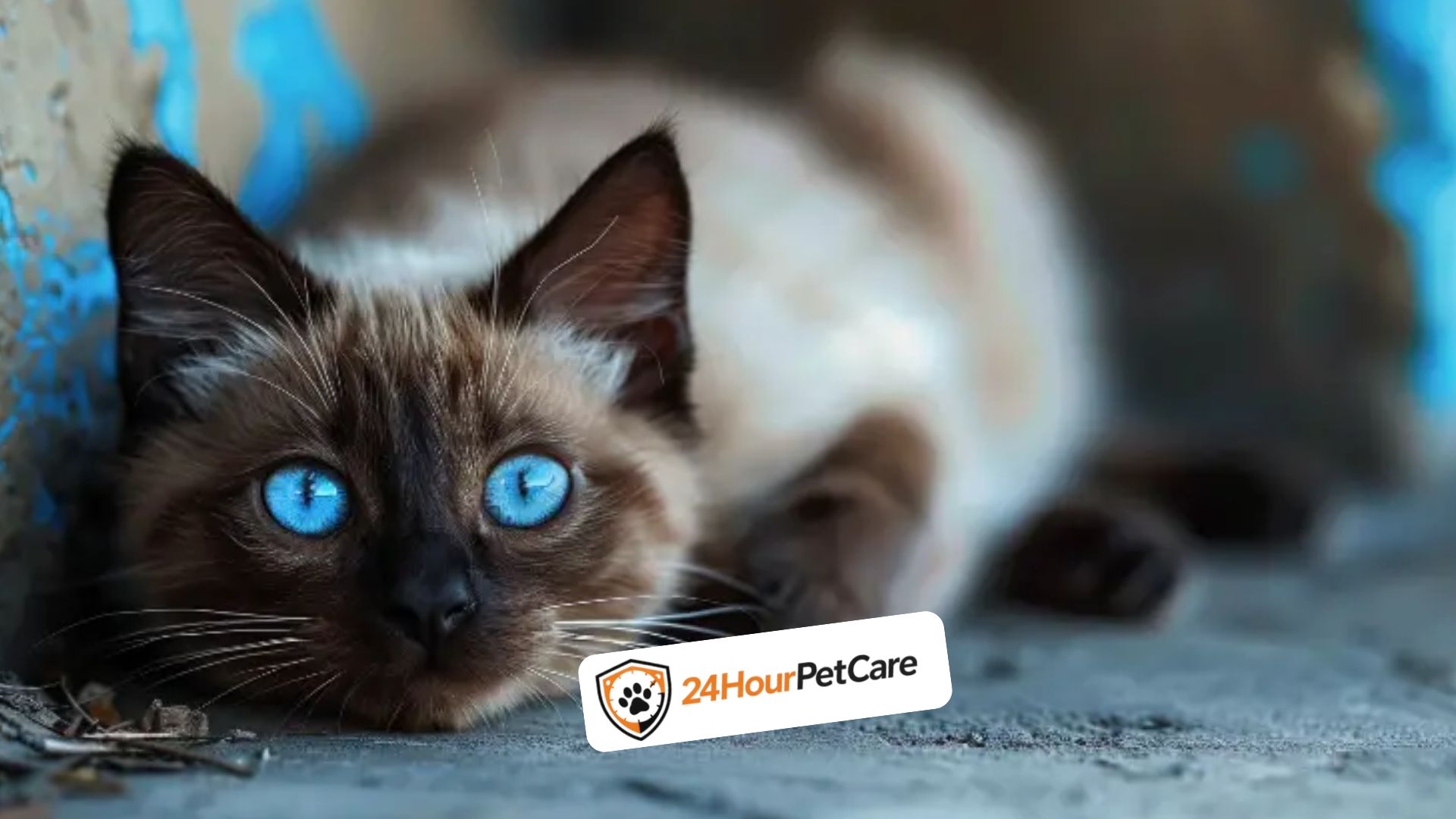
The Ojos Azules Cat: The Rare Blue-Eyed Beauty You’ve Never Seen Before is one of the rarest and most mysterious cats ever discovered in the world of domestic animals. This cat is famous for its deep and bright blue eyes that can appear in almost any coat color, including black, grey, tabby, and mixed patterns. Unlike normal blue-eyed cats, this type is not linked to white fur or Siamese genetics. Instead, it comes from a very rare dominant gene that makes it scientifically unique and highly interesting for cat lovers and researchers around the world. The story of this cat combines science, beauty, and mystery in a way that still fascinates people today.
Meaning of Ojos Azules
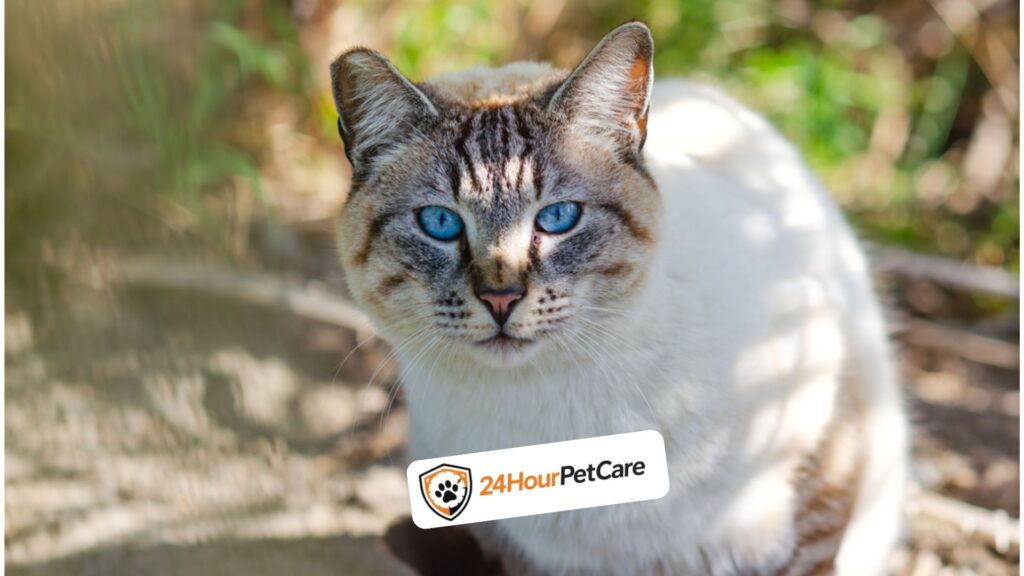
The word “Ojos Azules” comes from the Spanish language and means “Blue Eyes.” This name perfectly describes the most attractive feature of this cat. The Ojos Azules Cat: The Rare Blue-Eyed Beauty You’ve Never Seen Before is not just a name but also a genetic mystery. Many people first think it is just a normal blue-eyed cat, but in reality, it is completely different. Its eye color is not linked to coat color, which makes it extremely rare in the cat world and very important in genetics research.
Discovery of the Breed
The history of the Ojos Azules Cat: The Rare Blue-Eyed Beauty You’ve Never Seen Before began in the 1980s in New Mexico, USA. A feral cat colony was observed, and among them, a cat named Cornflower gave birth to kittens with deep blue eyes. What made this discovery special was that these kittens did not have white coats or Siamese patterns, yet they still had striking blue eyes. This surprised breeders and scientists because it broke normal genetic rules in cats and opened a new field of study in feline genetics.
First Famous Cat: Cornflower
The foundation of the Ojos Azules Cat: The Rare Blue-Eyed Beauty You’ve Never Seen Before comes from a single cat named Cornflower. She was a tortoiseshell cat, and her kittens inherited her rare blue-eye trait. This showed that the gene responsible was dominant and could pass to the next generation. Cornflower became the center of genetic studies because her kittens proved that eye color could exist independently of fur color, which was very unusual at that time and not seen in most known breeds.
Genetic Mystery Behind the Blue Eyes
The most important feature of the Ojos Azules Cat: The Rare Blue-Eyed Beauty You’ve Never Seen Before is the Dominant Blue Eye (DBE) gene. This gene creates deep blue eyes without needing a white coat or Siamese pattern. In most cats, blue eyes are linked to low pigment in fur, but here the situation is different because this gene directly affects eye color. However, scientists also discovered that this gene can be dangerous when inherited in double form, which makes breeding very sensitive and complex.
Health Risks and Genetic Problems
One major issue with the Ojos Azules Cat: The Rare Blue-Eyed Beauty You’ve Never Seen Before is health risk in breeding. If a kitten inherits two copies of the DBE gene, it may develop serious problems like skull deformities, weak development, or even stillbirth. If it inherits only one copy, the cat is usually healthy and shows beautiful blue eyes. Because of this risk, breeders became very careful, and later controlled breeding programs were stopped to avoid suffering in future generations.
Physical Appearance
The Ojos Azules Cat: The Rare Blue-Eyed Beauty You’ve Never Seen Before looks like a normal domestic cat, but its eyes make it stand out. It usually has a medium-sized body, soft coat, and balanced structure. The coat can be black, grey, tabby, or mixed patterns. Some cats may also show white tail tips. The most striking feature is its deep sapphire-blue eyes, which often look darker and more intense than most other blue-eyed cats, making it highly attractive and unique.
Eye Color Shades
The eyes of the Ojos Azules Cat: The Rare Blue-Eyed Beauty You’ve Never Seen Before can vary slightly in shade. Some cats have light blue eyes, while others have very dark or almost navy-blue eyes. These variations are sometimes described as light blue eyes and dark blue eyes, but all variations still come from the same genetic trait. This natural variation adds more beauty and mystery to this rare type of cat and makes each individual visually unique.
Personality and Behavior
The Ojos Azules Cat: The Rare Blue-Eyed Beauty You’ve Never Seen Before is believed to have a friendly and social personality. Based on limited observations, these cats are playful, intelligent, and curious. They enjoy human interaction and adapt well to family environments. However, because the population was extremely small, there is not enough scientific data to fully confirm long-term behavior patterns, so most personality traits are based on breeder observations.
Rarity and Population
The Ojos Azules Cat: The Rare Blue-Eyed Beauty You’ve Never Seen Before is one of the rarest cats in history. Only a very small number of cats were ever confirmed during the breeding experiments. At one point, fewer than a dozen cats were known. This extreme rarity makes it almost impossible to find today. Many experts believe that the pure line is now functionally extinct or no longer actively bred in modern cat populations.
Recognition by Cat Organizations
The Ojos Azules Cat: The Rare Blue-Eyed Beauty You’ve Never Seen Before was briefly recognized by The International Cat Association (TICA) in the early 1990s. This recognition gave hope that the breed would grow and become popular worldwide. However, after studying genetic risks and health problems, official breeding programs were stopped. The decision was made to protect animal welfare and prevent suffering caused by genetic defects.
Coat Color Variations
One of the most interesting facts about the Ojos Azules Cat: The Rare Blue-Eyed Beauty You’ve Never Seen Before is that it can appear in many coat colors. Unlike other blue-eyed cats, it is not limited to white fur. You can find black cats, grey cats, tabby patterns, and mixed colors all carrying the same eye trait. This makes it very different from breeds like Siamese or Turkish Angora cats, where coat color strongly affects eye color.
Comparison with Other Blue-Eyed Cats
The Ojos Azules Cat: The Rare Blue-Eyed Beauty You’ve Never Seen Before is often confused with other blue-eyed breeds. Siamese cats, for example, have blue eyes due to temperature-sensitive genes. White cats may have blue eyes due to lack of pigment. However, the Ojos Azules gene works differently because it is not linked to coat color or temperature. This makes it scientifically unique and one of the rarest genetic traits in domestic cats.
Misunderstandings and Myths
There are many myths about the Ojos Azules Cat: The Rare Blue-Eyed Beauty You’ve Never Seen Before. Some people believe every black cat with blue eyes belongs to this breed, which is incorrect. Others think it is commonly found in shelters or pet stores, but this is also false. True genetic examples were only found in controlled breeding programs and are not confirmed in modern cat populations, making it extremely rare.
Influence on Internet Culture
The Ojos Azules Cat: The Rare Blue-Eyed Beauty You’ve Never Seen Before has become popular on the internet due to its mysterious appearance. Many images of blue-eyed cats are shared online with claims of being this breed. It has also inspired fantasy names and viral ideas like “blue-eyed dragon cats.” This shows how much people are attracted to rare and visually stunning animals, even when information is misunderstood or exaggerated.
Scientific Importance
The Ojos Azules Cat: The Rare Blue-Eyed Beauty You’ve Never Seen Before is very important in genetics research. It shows how a single gene can control eye color independently of coat color. It also demonstrates how genetic mutations can create both beauty and health risks at the same time. Scientists study it to understand inheritance patterns and improve responsible breeding practices in animals, making it a valuable case in biological science.
Ethical Concerns in Breeding
Breeding the Ojos Azules Cat: The Rare Blue-Eyed Beauty You’ve Never Seen Before raised serious ethical questions. Because of the risk of birth defects, scientists and breeders decided it was not safe to continue. Animal welfare became more important than appearance. This decision helped prevent suffering in future generations and showed the importance of responsible breeding in protecting animal health and life quality.
Decline and Current Status
Over time, the Ojos Azules Cat: The Rare Blue-Eyed Beauty You’ve Never Seen Before disappeared from active breeding programs. Due to genetic risks and extremely small population size, it was no longer developed as a breed. Today, it is considered extremely rare or possibly extinct in its original form. Most modern information comes from historical records, breeder reports, and genetic studies rather than living examples.
Legacy of the Breed
Even though the Ojos Azules Cat: The Rare Blue-Eyed Beauty You’ve Never Seen Before is no longer actively bred, its legacy remains important in the world of genetics and cat history. It is still studied as an example of rare mutation and responsible breeding decisions. Many cat lovers admire its beauty and mystery, and it continues to be one of the most fascinating examples of unique natural variation in domestic cats.
Frequently Asked Questions
1. What is the Ojos Azules Cat?
The Ojos Azules Cat is a very rare cat breed known for its deep blue eyes that can appear in any coat color.
2. Why is the Ojos Azules Cat so rare?
It is rare because it comes from a unique dominant gene and was never widely bred due to health risks.
3. Are all blue-eyed cats Ojos Azules cats?
No, many cats like Siamese or white cats have blue eyes, but they are not Ojos Azules genetically.
4. Does the Ojos Azules Cat still exist today?
It is believed to be extremely rare or possibly extinct in its original pure form.
5. Is the Ojos Azules Cat safe to breed?
No, breeding was stopped because the gene can cause serious health problems in kittens.
Conclusion
The Ojos Azules Cat: The Rare Blue-Eyed Beauty You’ve Never Seen Before remains a symbol of rare beauty, scientific discovery, and genetic mystery. From its origin in New Mexico to its unique dominant gene, this cat has left a lasting mark on feline genetics. Even though it is no longer widely seen today, its story continues to teach us about nature, science, and the importance of ethical animal breeding.
