


Introduction to the Turkish Van Cat
The Turkish Van Cat: The Rare Swimming Feline with Striking Eyes and a Royal History is a truly unique feline. Known for its love of water, this breed combines beauty, intelligence, and playful energy in one elegant package. With striking eyes that can be amber, blue, or one of each, the Turkish Van captures attention wherever it goes. Unlike most cats, it enjoys swimming and playing with water, making it a rare find for cat lovers who want something extraordinary.
History and Origins of the Turkish Van Cat
The origins of the Turkish Van Cat: The Rare Swimming Feline with Striking Eyes and a Royal History trace back centuries to the region around Lake Van in Turkey. Locals have long admired these cats for their unique coat patterns and active nature. Legends say they adapted to swimming in cold lake waters, which is rare among feline species. Modern breeders recognize the Turkish Van as a heritage breed, with its traits carefully preserved through selective breeding programs recognized by international cat associations.
Physical Appearance and Unique Traits
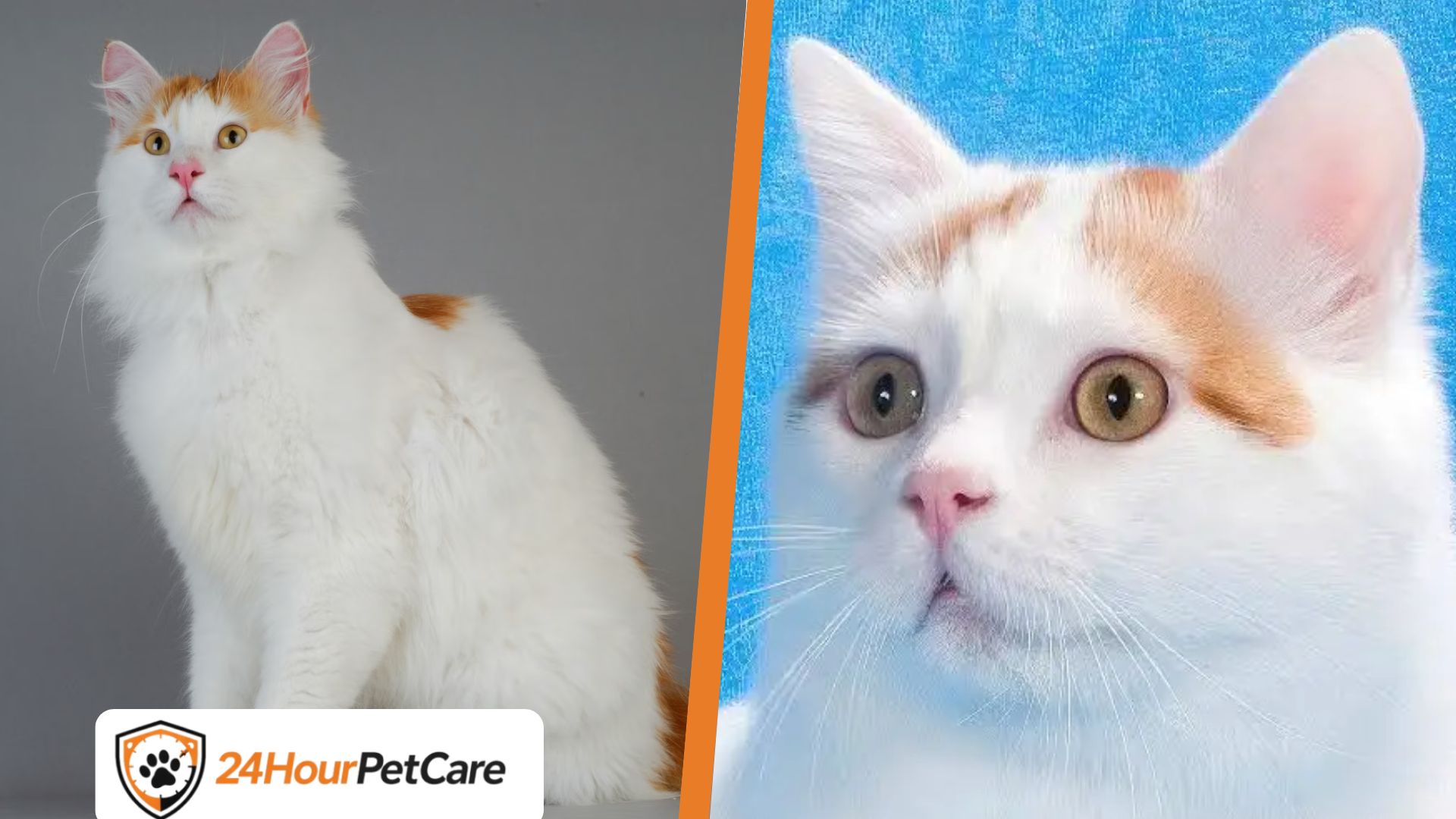
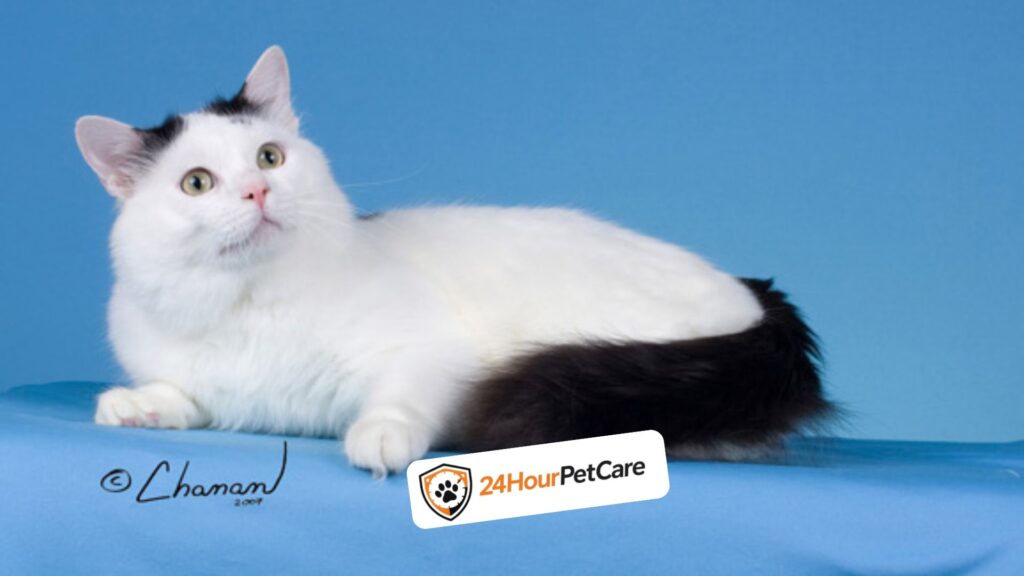
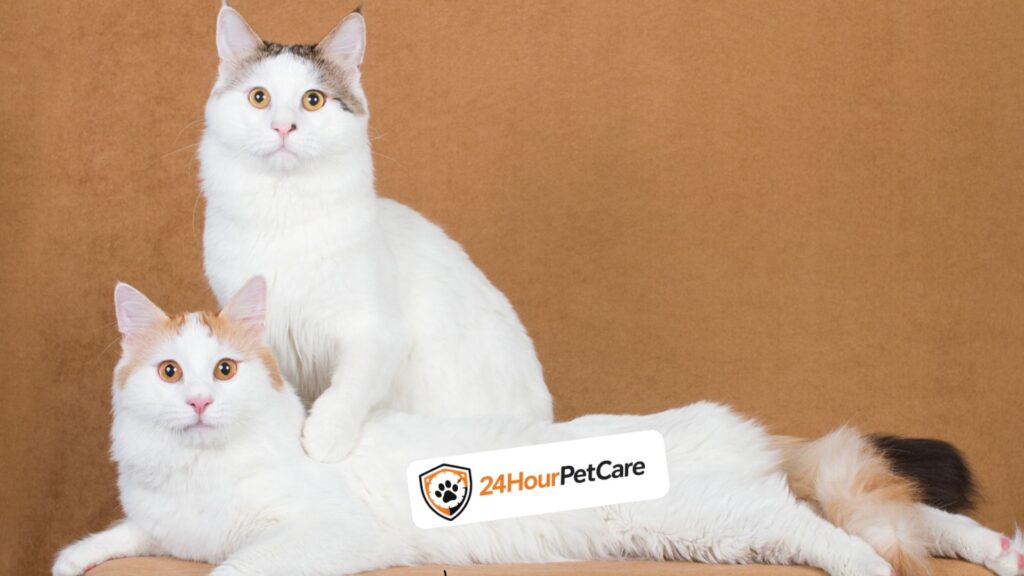
These cats are large and muscular, with a sturdy yet graceful build. The Turkish Van Cat: The Rare Swimming Feline with Striking Eyes and a Royal History often has a “Van pattern,” where color appears on the head and tail while the body remains mostly white. Their semi-long coat is soft and water-resistant, perfect for their swimming tendencies. One of their most notable features is their striking eyes, which can be solid blue, amber, or heterochromatic, giving them a regal and mysterious look.
Personality and Temperament
Turkish Vans are highly intelligent and curious. The Turkish Van Cat: The Rare Swimming Feline with Striking Eyes and a Royal History enjoys exploring and often surprises owners with playful antics. They are social yet independent, forming strong bonds with family members. These cats are known for following their humans around and enjoying interactive play, making them excellent companions. Unlike some breeds that prefer solitude, the Turkish Van thrives in lively households where it receives attention and mental stimulation.
Turkish Van Cat and Its Love for Water
One of the most distinctive traits of the Turkish Van Cat: The Rare Swimming Feline with Striking Eyes and a Royal History is its love of water. Unlike most cats, this breed may enjoy dipping into sinks, bathtubs, or even pools. This natural swimming instinct likely developed over generations living near Lake Van, where cats had to adapt to their environment. Owners should encourage water play safely, ensuring shallow areas and supervision to prevent accidents, while enjoying this unique behavior.
Diet and Nutrition for Turkish Van Cats
A proper diet is crucial for the active Turkish Van Cat: The Rare Swimming Feline with Striking Eyes and a Royal History. High-protein food supports muscle development and energy, while balanced nutrients maintain coat and skin health. Treats are acceptable in moderation but should never replace a complete diet. Fresh water should always be available, especially since the breed enjoys water activities. Proper nutrition also helps prevent obesity and supports their long, active lives, allowing these cats to swim, climb, and play energetically.
Grooming and Coat Care
Although they have semi-long fur, the Turkish Van Cat: The Rare Swimming Feline with Striking Eyes and a Royal History does not mat easily. Regular brushing helps remove loose hairs and distributes natural oils. Unlike breeds like the Sphynx cat, which require frequent baths due to their lack of hair, Turkish Vans only need occasional washing. Owners should also check ears and eyes for cleanliness, trim nails regularly, and provide a cozy environment, as these cats appreciate warmth and comfort after water play or outdoor adventures.
Health and Lifespan
Generally healthy, the Turkish Van Cat: The Rare Swimming Feline with Striking Eyes and a Royal History can live between 12 and 17 years. Common concerns include obesity and dental problems, which can be prevented with proper diet and routine vet checkups. Regular veterinary care ensures early detection of any issues, while vaccinations, parasite prevention, and dental hygiene keep your cat healthy. Compared to the Sphynx kitten, which may face skin-related health concerns due to hairlessness, Turkish Vans are relatively low-maintenance in terms of health.
Turkish Van Cat vs Other Breeds
When compared to the Sphynx cat, the Turkish Van Cat: The Rare Swimming Feline with Striking Eyes and a Royal History is strikingly different. Sphynx cats are hairless and require frequent bathing, while Turkish Vans have a semi-long coat and water-resistant fur. Personality also differs: Sphynx cats are highly social and affectionate, often called “dog-like,” whereas Turkish Vans balance independence with playfulness. Color variations differ too, with Sphynx cats appearing in shades like black or grey, while Turkish Vans are mostly white with colored markings.
Turkish Van Cat Adoption and Purchase
Prospective owners should research reputable breeders when seeking a Turkish Van Cat: The Rare Swimming Feline with Striking Eyes and a Royal History. Prices vary depending on lineage, location, and breeder reputation. Rescue organizations may offer opportunities to adopt these cats. Unlike sphynx cat for sale, which often commands higher prices due to rarity, Turkish Vans are more accessible but still require a commitment to their care, including water safety, diet, and playtime enrichment.
Turkish Van Cats for Families
The Turkish Van Cat: The Rare Swimming Feline with Striking Eyes and a Royal History is ideal for families. They interact well with children and often form bonds with other pets. Their playful nature ensures hours of entertainment, while their intelligence allows them to adapt to family routines. Early socialization helps prevent shyness and encourages affectionate behavior. Owners can expect a loyal, engaging companion who enjoys attention but also appreciates moments of independence.
Misconceptions and Myths
Many believe cats dislike water, but the Turkish Van Cat: The Rare Swimming Feline with Striking Eyes and a Royal History challenges this myth. Another misconception is that all cats with striking eyes are fragile; Turkish Vans are robust and agile. Unlike hairless breeds like the Sphynx cat black, which require intensive grooming, Turkish Vans manage with minimal maintenance. Understanding these facts helps potential owners appreciate the breed without falling for exaggerated claims or unrealistic expectations.
New Discoveries About the Turkish Van Cat
Recent studies and observations have revealed even more fascinating traits of the Turkish Van Cat: The Rare Swimming Feline with Striking Eyes and a Royal History. Beyond their love for water, these cats exhibit remarkable intelligence and problem-solving skills, often figuring out ways to reach high shelves or explore new spaces. Their semi-long, silky coat not only protects them from cold temperatures but also allows them to enjoy swimming without discomfort. Unlike many other breeds, Turkish Vans are highly adaptable, thriving in both active households and calmer environments as long as they receive attention and mental stimulation. Interaction with toys, climbing structures, and supervised water play keeps them physically and mentally engaged. Moreover, their social nature means they quickly bond with family members, forming loyal and affectionate relationships. These discoveries reinforce why the Turkish Van Cat remains a rare and cherished breed for cat enthusiasts worldwide.
Fun Facts About Turkish Van Cats
- Known as the “swimming cat” due to their unusual water affinity.
- Eyes can be amber, blue, or heterochromatic, giving a mystical appearance.
- Adapted to the rugged terrains near Lake Van, Turkey.
- Semi-long, water-resistant coat helps in swimming.
- Compared to Sphynx kittens, they have more traditional feline fur and less skin sensitivity.
Turkish Van Cat Care Checklist
Daily routines include play, social interaction, and feeding. Weekly tasks involve brushing and cleaning ears. Monthly care may include nail trims and dental checks. Turkish Vans enjoy climbing, so providing vertical spaces or cat trees enriches their environment. Water play can be supervised for fun and exercise. Unlike Sphynx cats, they do not need constant bathing, but occasional care keeps the coat healthy and shiny.
Frequently Asked Questions
- What makes the Turkish Van Cat unique?
The Turkish Van Cat loves water, has striking eyes, and features a semi-long Van-pattern coat unlike other cats. - How long do Turkish Van Cats live?
They typically live 12–17 years with proper diet, care, and regular veterinary checkups. - Are Turkish Van Cats good with children?
Yes, they are social, playful, and form strong bonds, making them ideal for families. - Do Turkish Van Cats need frequent grooming?
No, their semi-long coat is low-maintenance. Occasional brushing and baths are enough. - Can Turkish Van Cats swim safely?
Yes, they naturally enjoy water, but always supervise shallow swimming to ensure safety.
Conclusion
The Turkish Van Cat: The Rare Swimming Feline with Striking Eyes and a Royal History is truly one of the most unique and captivating cat breeds. Its semi-long, water-resistant coat, combined with striking eyes that can be blue, amber, or one of each, gives it a regal and unforgettable appearance. Beyond looks, the Turkish Van is highly intelligent, playful, and social, forming strong bonds with family members while maintaining its independence. Unlike most cats, this breed enjoys water, a trait that makes it fascinating and rare. Proper care including a balanced diet, grooming, and veterinary attention ensures a long, healthy, and happy life. Whether living with children, other pets, or as a companion for a single owner, the Turkish Van offers joy, energy, and affection in every interaction. For cat lovers seeking a loyal, adventurous, and visually stunning feline, this remarkable breed is an ideal choice.
