


Introduction: Meet the Turkish Angora
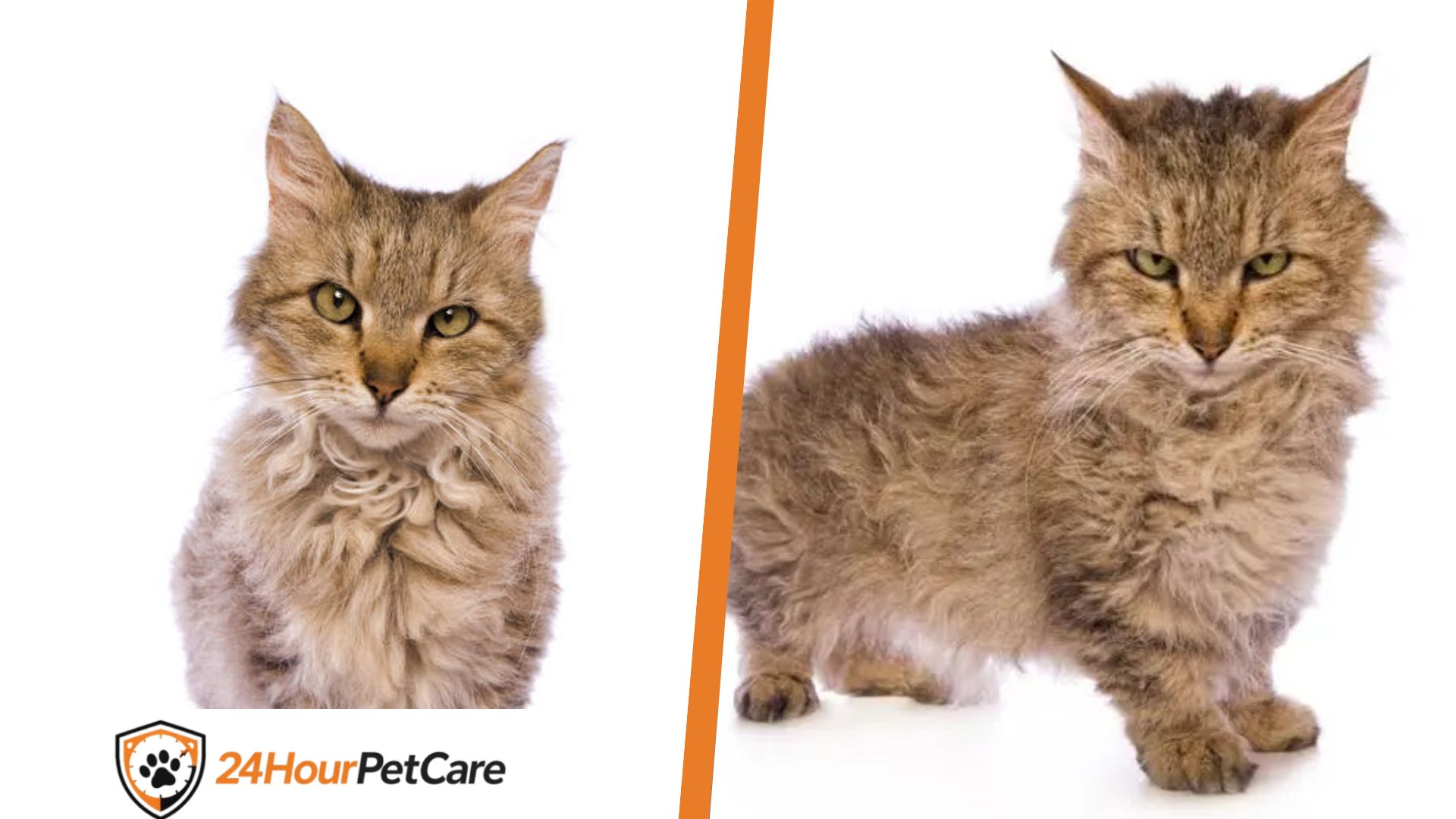
The Turkish Angora is one of the oldest and most beautiful cat breeds in the world. Originating from Ankara, Turkey, this breed is admired for its silky fur, elegant body, and friendly personality. Many cat lovers around the world search for Turkish Angora cats, wanting to learn about their appearance, temperament, and care requirements. Unlike the short-legged Skookum cat, the Turkish Angora is slender and graceful, making it a perfect companion for those who appreciate elegance in cats. This article will guide you through everything you need to know about Turkish Angora cats, including their history, colors, personality, kittens, price, lifespan, and more.
New: Why Turkish Angoras Make Perfect Companions
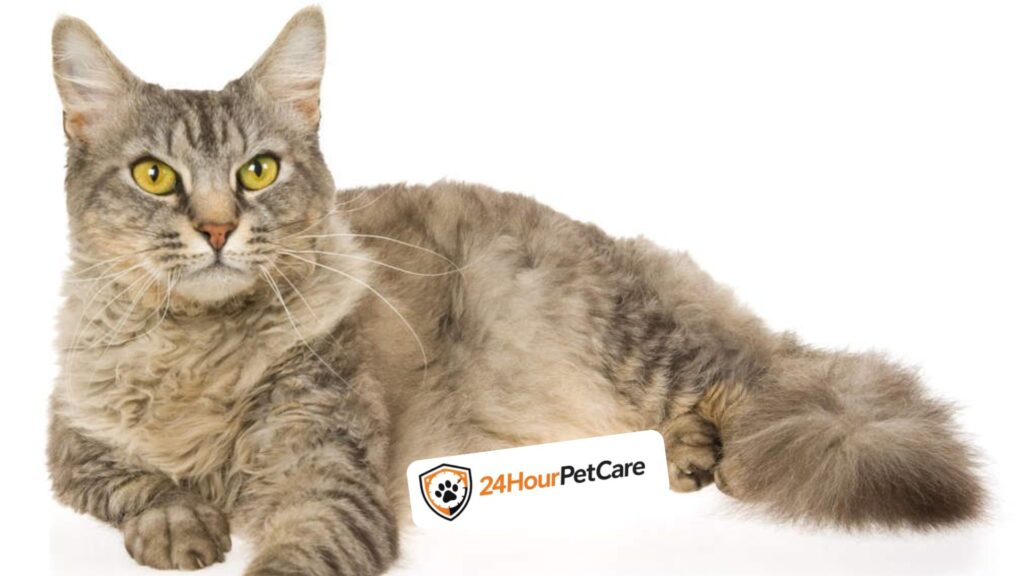
The Turkish Angora is not just a beautiful cat; it is also a loving and intelligent companion. These cats enjoy interacting with their owners and can form strong bonds with family members. They are playful, curious, and always eager to explore their surroundings, making them perfect for active households. Turkish Angoras adapt well to indoor life but also love climbing and observing from high places. Their silky, medium-long fur is easy to maintain, and their graceful body and plumed tail add elegance to any home. Available in a variety of colors, including white, black, orange, and tabby, they are visually stunning as well. Their long lifespan, healthy nature, and friendly personality make them a long-term, joyful addition to any family. Choosing a Turkish Angora means welcoming a smart, affectionate, and playful cat that will bring charm and happiness into your life every day.
New: Caring for Your Turkish Angora
Caring for a Turkish Angora is rewarding and simple if you understand their needs. These cats thrive in clean, safe environments where they can play, climb, and explore. Regular brushing, about 2–3 times a week, keeps their silky coat smooth and reduces shedding. Feeding high-quality cat food in the right portions ensures they stay healthy and active. Turkish Angoras love interactive play, so providing toys, climbing trees, and puzzle feeders keeps them entertained and mentally stimulated. Routine vet checkups, vaccinations, and dental care are essential to prevent health problems and maintain their long lifespan of 12–18 years. Social interaction is also important, as these cats enjoy attention and forming strong bonds with their owners. By understanding their grooming, nutrition, and exercise needs, you can ensure your Turkish Angora remains a healthy, happy, and affectionate companion for many years.
History of Turkish Angora Cats
The Turkish Angora has a rich history that dates back hundreds of years. Cats with long, silky fur were highly prized in Ottoman palaces in Turkey. They were often considered royal companions and admired for their beauty and elegance. Traders brought these cats to Europe during the 1600s and 1700s, where they became popular in countries like France and England. The breed was later standardized and officially recognized by cat associations such as CFA (Cat Fanciers’ Association) and TICA (The International Cat Association). Today, the Turkish Angora cat is known worldwide for its charm, intelligence, and striking appearance.
Physical Characteristics of Turkish Angora Cats
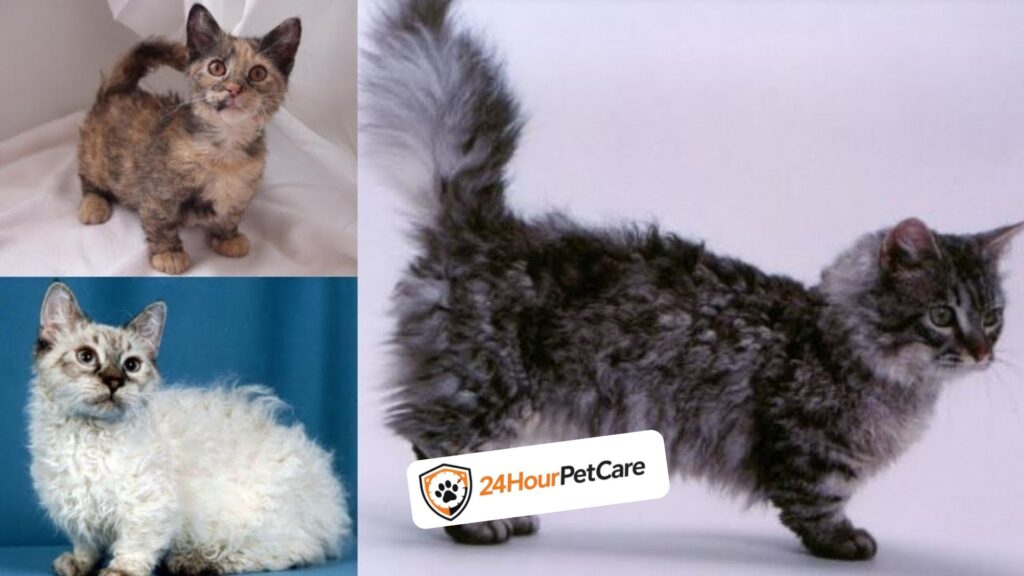
Turkish Angora cats are known for their slender, athletic bodies and fine-boned structure. They have long legs, plumed tails, and large, pointed ears. One of their most striking features is their almond-shaped eyes, which can be blue, green, amber, or odd-eyed (two different colors). Their silky, medium-long fur is soft and requires minimal grooming compared to other long-haired breeds. Unlike the Skookum cat, which has short legs and curly fur, the Turkish Angora maintains an elegant, straight coat and agile body.
Turkish Angora Colors
Turkish Angoras come in many colors, making them a versatile and attractive breed. Common colors include white, black, orange, and classic tabby patterns. Some cats even have mixed or multi-colored coats, which add to their uniqueness. Odd-eyed Turkish Angoras are especially popular among collectors and cat enthusiasts because of their striking eye color combination.
Turkish Angora vs Other Breeds
While some may confuse the Turkish Angora with other long-haired breeds, there are clear differences. Skookum cats are short-legged with curly fur, while Turkish Angoras are long-legged with straight, silky fur. Compared to Persians, which have flat faces and dense coats, Turkish Angoras are more agile and natural-looking. Russian Blue cats have short silver-blue coats and are shy, whereas Turkish Angoras are social and active. Sphynx cats have almost no fur, making the Turkish Angora very different in appearance and care.
Turkish Angora Personality and Traits
The Turkish Angora is intelligent, social, and playful. These cats enjoy interactive play, following their owners around the house, and learning tricks. They are affectionate and can bond closely with family members. Their playful and curious nature makes them suitable for homes with children or other pets. Turkish Angoras are also known for their agility, and they love climbing or exploring vertical spaces like cat trees.
Turkish Angora Kittens
Turkish Angora kittens are incredibly adorable and playful. They have soft, fluffy fur that becomes silky as they grow older. Kittens are curious, energetic, and enjoy interacting with their human companions. When looking for Turkish Angora kittens for sale, buyers should consider breeder reputation, color rarity, and whether the kitten is pet or show quality. White or odd-eyed kittens often cost more, while standard colors may be more affordable.
Turkish Angora Price
The price of Turkish Angora cats varies depending on location, breeder reputation, color, and pedigree. Pet-quality kittens are generally more affordable, while show-quality or rare-colored cats, such as odd-eyed or pure white, may cost significantly more. It is essential to purchase from a trusted breeder to ensure health, ethical breeding, and proper documentation.
Turkish Angora Lifespan
The Turkish Angora lifespan is typically 12–18 years, with some cats living even longer with proper care. They are considered a healthy breed but require regular vet checkups, vaccinations, and preventive care. Providing a safe indoor environment and proper nutrition helps maintain their long-term health and happiness.
How to Identify a Turkish Angora Cat
To identify a Turkish Angora, look for a long plumed tail, silky medium-long coat, slender and graceful body, large pointed ears, and almond-shaped eyes. Cats that are short-legged or have curly coats may belong to other breeds, such as the Skookum cat or Selkirk Rex. Turkish Angoras are active, agile, and affectionate, which sets them apart from other long-haired cats.
Caring for Turkish Angora Cats
Turkish Angoras are relatively easy to care for. They need brushing 2–3 times a week to keep their coat smooth. Feed them high-quality cat food in proper portions. Provide toys, climbing spaces, and interactive play to keep them active. Ensure regular vet checkups and vaccinations. With proper care, these cats stay healthy, happy, and maintain their beautiful appearance.
Fun Facts About Turkish Angora
The Turkish Angora is one of the oldest natural cat breeds. They were kept in Ottoman palaces and considered aristocratic companions. Odd-eyed Turkish Angoras are particularly rare and highly prized. The breed has inspired art, literature, and cultural references in Turkey and Europe. Despite their elegance, they are playful and energetic, making them excellent companions for families.
Common Questions About Turkish Angora
Q1: What is a Turkish Angora?
A natural cat breed from Turkey with long, silky fur and graceful appearance.
Q2: How long do Turkish Angoras live?
Typically 12–18 years with proper care.
Q3: What colors do Turkish Angoras come in?
White, black, orange, tabby, multi-color, and odd-eyed combinations.
Q4: How much does a Turkish Angora cost?
Prices vary depending on breeder, color, and pedigree.
Q5: How to identify a Turkish Angora?
Look for plumed tail, silky coat, almond-shaped eyes, and slender body.
Turkish Angora vs Modern Mixes
Sometimes names like Russian Blue Turkish Angora Sphynx appear online, but these are separate breeds. The Turkish Angora is a pure, natural breed, while mixes may combine traits of multiple breeds and lack classic elegance. Understanding the differences helps you choose the right cat for your lifestyle.
Frequently Asked Questions
Q1: What is a Turkish Angora cat?
A: A natural breed from Turkey, known for its silky fur, plumed tail, and elegant body.
Q2: How long do Turkish Angora cats live?
A: They usually live 12–18 years with proper care, diet, and regular vet checkups.
Q3: What colors do Turkish Angoras come in?
A: They appear in white, black, orange, tabby, and multi-color coats, including odd-eyed combinations.
Q4: How much does a Turkish Angora cost?
A: Prices vary by breeder, color, and pedigree, with rare colors like odd-eyed or white costing more.
Q5: How do I identify a Turkish Angora cat?
A: Look for a slender body, plumed tail, silky medium-long coat, almond-shaped eyes, and large ears.
Conclusion
The Turkish Angora is a truly remarkable cat breed, admired for its elegant body, silky fur, and expressive almond-shaped eyes. This ancient breed from Turkey has captured the hearts of cat lovers worldwide because of its intelligence, playful personality, and affectionate nature. Turkish Angoras are easy to care for, requiring minimal grooming, a healthy diet, and regular vet visits to stay happy and healthy. They come in many colors, including white, black, orange, and tabby, with some having rare odd-eyed combinations that make them even more unique. Whether you are looking for a family-friendly companion, a show-quality cat, or a playful kitten, the Turkish Angora is a perfect choice. Its long lifespan, social behavior, and striking appearance make it one of the most cherished and sought-after breeds in the world. Bring home a Turkish Angora and experience the joy of a loving, elegant feline companion.
