


Peterbald cats are one of the most unique cat breeds in the world. Known for their elegant, slim bodies, striking eyes, and unusual coat types, they capture attention wherever they go. From their Russian origins to their playful personality, this guide explains everything about Peterbald cats, including care tips, health, personality, price, and comparisons with other breeds. By the end, you will fully understand why these cats are so special.
History of the Peterbald Cat
The Peterbald cat was developed in 1994 in Saint Petersburg, Russia. Breeder Olga Mironova wanted a cat with a unique hairless look but with a friendly, intelligent personality. By crossing a Don Sphynx with an Oriental Shorthair, she produced the first litter of Peterbald kittens. The breed gained recognition from The International Cat Association (TICA) in the late 1990s and was later accepted for championship status. Their name comes from “Peter” for Saint Petersburg and “bald” for their hairless trait. Some people also call them Russian Peterbald cats because of their origin.
Appearance and Unique Coat Types
Peterbald cats are slender and long-bodied with large ears, almond-shaped eyes, and a whip-like tail. Their coat can be completely hairless or lightly covered with a fine fuzz. Unlike the Sphynx, Peterbalds can have five coat types. Ultra Bald is nearly hairless, sometimes missing whiskers. Flock or Chamois has soft, suede-like fuzz. Velour is slightly thicker with a soft feel. Brush Coat is wiry and textured, and Straight Coat is thin hair, which is rare. Their coat may change during growth, making every Peterbald unique.
Personality of the Peterbald Cat
The Peterbald cat is highly social, friendly, and intelligent. Many owners describe them as dog-like in behavior because they follow people around, respond to their names, and enjoy interactive play. They are curious and energetic, exploring every corner of the house. Despite their elegance, Peterbalds are playful, often enjoying games like chasing toys or even fetching. This makes them perfect companions for families or owners who spend time interacting with their cats.
Peterbald vs Sphynx Cat
While both look hairless, the Peterbald cat and Sphynx are genetically different. Sphynx cats usually have very fine hair due to a recessive gene, while Peterbalds have a dominant gene, allowing multiple coat types. In body type, Peterbalds are more slender, whereas Sphynx cats are muscular. Personality differences are minor, but both breeds are affectionate and social. This makes Peterbald cats appealing to those who want a unique, elegant cat with a flexible coat.
Caring for a Peterbald Cat
Because many Peterbald cats are nearly hairless, they need special care. Warmth is important because they feel cold more easily, so blankets or sweaters in winter are recommended. Hairless skin can get oily or dirty, so gentle bathing is advised. Sun protection is necessary as sunburn can occur. Nutrition is also important; high-quality food supports energy and skin health. With proper care, Peterbalds can live 12–15 years and enjoy a healthy life.
Health and Common Misconceptions
The Peterbald cat is generally healthy and robust. They can develop common cat issues but are not prone to special genetic diseases. A common myth online is about “Down syndrome Peterbald cats.” This is inaccurate because Down syndrome is a human condition. Any unusual facial traits in Peterbald kittens are natural variations, not genetic disorders. Always consult a vet for accurate information.
Feeding a Peterbald Cat
Peterbald cats have higher metabolism, especially if hairless. They may eat more than other cats to maintain body heat. A balanced diet with high protein is important, along with fresh water. Consulting a vet ensures proper portion size and nutrition for kittens or adult cats. Feeding plays a key role in skin health, energy, and overall well-being.
Social Needs and Playtime
The Peterbald cat loves interaction and attention. They dislike being alone for long periods, so consider having a second cat if you are often away. Interactive toys, puzzle feeders, and play sessions keep them mentally stimulated. They enjoy games like chasing toys or following their owners around, which strengthens the human-cat bond.
Training a Peterbald Cat
Training a Peterbald is easier than with many other breeds. They respond well to positive reinforcement with treats or praise. You can teach them simple commands, tricks, and even fetch games. Training helps prevent boredom and unwanted behaviors. These cats enjoy learning new skills, making them playful and intelligent companions.
Traveling with a Peterbald Cat
Some owners travel with their Peterbald cat. Introduce travel gradually using a carrier and familiar items like a blanket. Short trips can help the cat get used to travel. Ensure vaccinations and identification for longer trips. Traveling together can strengthen the bond and create memorable experiences.
Finding Peterbald Kittens for Sale
When looking for Peterbald kittens for sale, choose a reputable breeder. Ask for health clearances, vaccination records, and socialization information. A well-bred kitten will have proper care, healthy parents, and guidance from the breeder on feeding, grooming, and health needs. Prices can vary from $1,500 to $5,000 depending on quality, pedigree, and country.
The Luxury and Elegance of Persian Cats
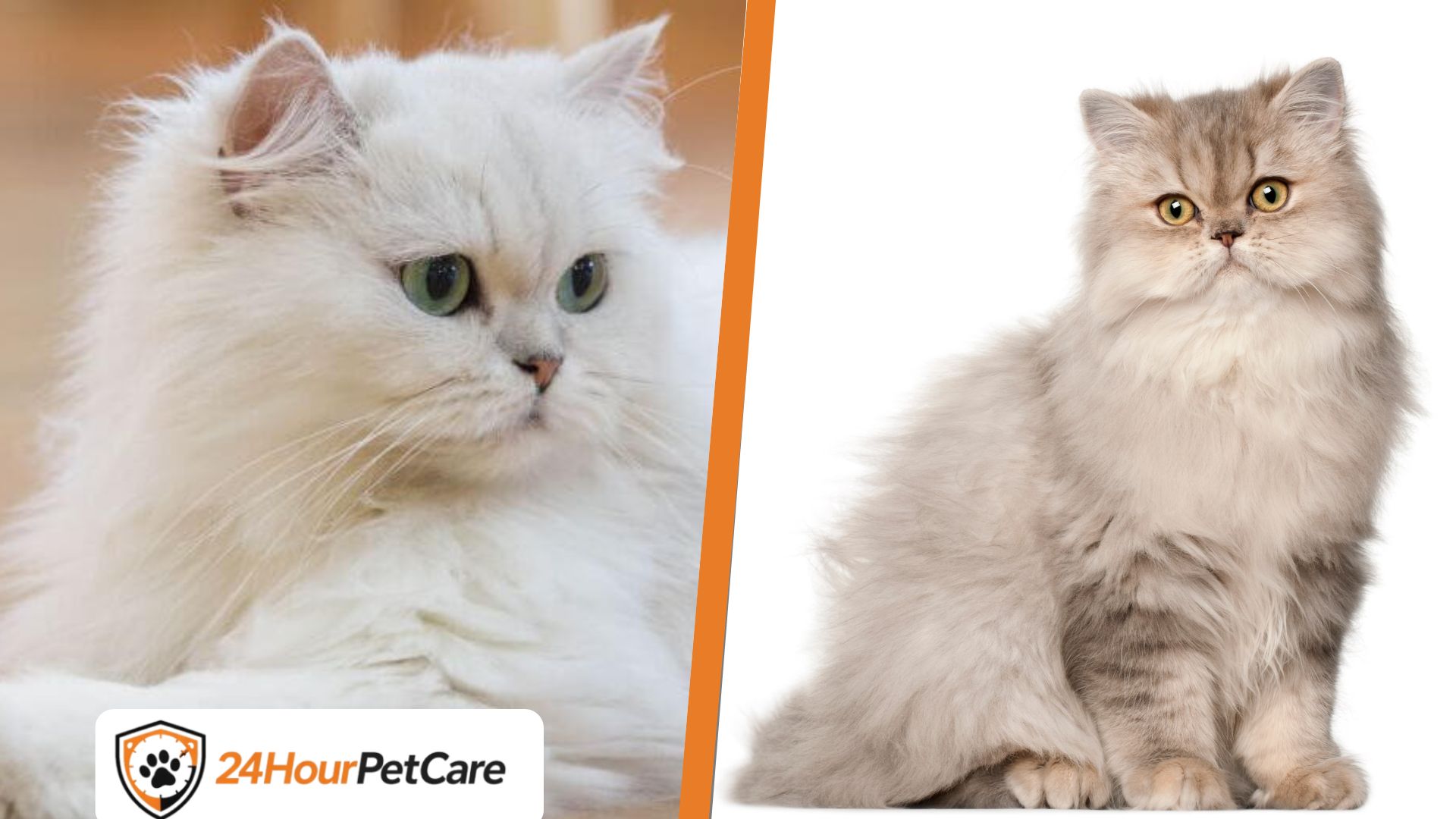
The Persian cat – “Why Is This Royal Fluffy Beauty So Expensive?” is a symbol of luxury and elegance in the world of pets. Its silky coat, soft fur, and beautiful eyes give it a royal appearance that many people admire. Persian cats are quiet and gentle, making them ideal companions for families, apartment living, and calm households. Their care requires daily grooming and attention, but this effort ensures the coat stays healthy and shiny. Beyond looks, Persian cats have a calm personality that makes them easy to train and affectionate toward their owners. They also connect deeply to Persian culture, reflecting centuries of elegance, art, and tradition. From sitting gracefully on a Persian rug to being part of family traditions, the Persian cat brings beauty, charm, and joy to every home. This breed truly shows why it is so highly valued.
Peterbald Cat Price and Availability
Peterbald cat price depends on breeder reputation, kitten quality, and location. Pet-quality kittens often start around $1,700, while show-quality cats may reach $5,000. Availability is limited because the breed is rare. Always prioritize health and responsible breeding over cost. Cheaper kittens may have hidden health issues.
Why Everyone Falls in Love with the Persian Cat
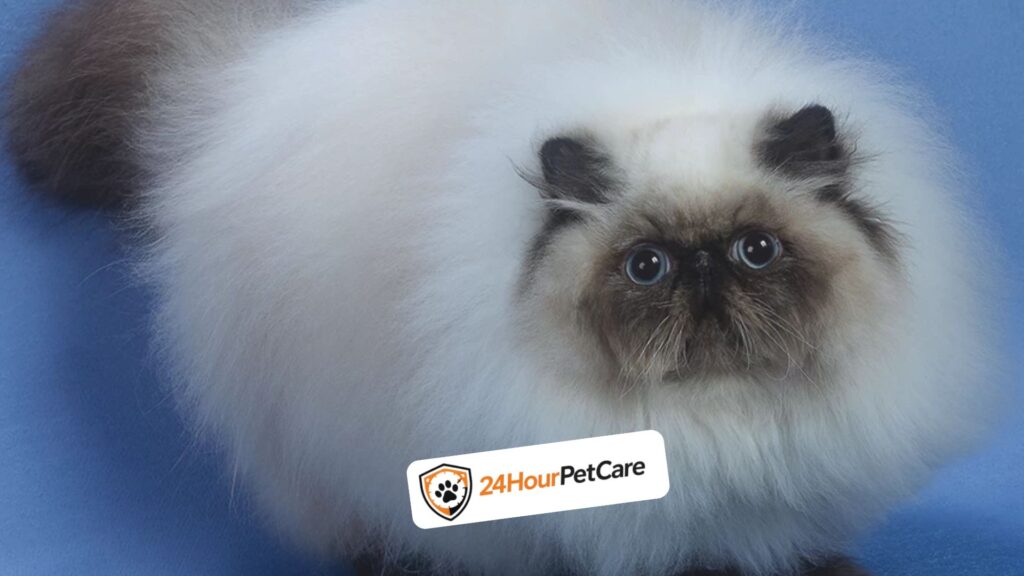
The Persian cat – “Why Is This Royal Fluffy Beauty So Expensive?” is loved worldwide for its soft, luxurious fur and calm personality. Its big, expressive eyes and round face make it instantly recognizable. Unlike other active breeds, Persian cats enjoy quiet, peaceful environments, making them perfect for families, apartments, and even elderly owners. Caring for this breed may require daily grooming, regular vet visits, and special attention to its health, but the reward is a loyal and affectionate companion. Beyond being a pet, the Persian cat reflects the beauty and elegance of Persian culture, connecting owners to a long history of art, poetry, and tradition. From sitting gracefully on a Persian rug to inspiring social media posts, this breed brings joy, elegance, and comfort to any home. It is no wonder so many people fall in love at first sight.
Hypoallergenic Facts
Although hairless, Peterbald cats are not fully hypoallergenic. Allergens come from skin and saliva, not just hair. People with mild allergies may tolerate them, but others might still react. Regular bathing and cleaning reduce allergens and make living with a Peterbald easier for sensitive individuals.
Life with a Peterbald Cat
Living with a Peterbald cat is rewarding. They are affectionate, playful, and loyal. Their dog-like behavior makes them companions for life. Providing love, attention, and proper care ensures they are happy. They adapt well to homes with children or other pets, making them versatile companions.
Frequently Asked Questions
Q1: Why is the Persian cat so expensive?
Due to its luxurious coat, calm temperament, rare eye colors, and careful breeding.
Q2: How often should I groom a Persian cat?
Daily brushing is recommended to keep their long fur silky and prevent mats.
Q3: Are Persian cats suitable for families?
Yes, their gentle and calm nature makes them perfect for quiet homes and families.
Q4: What colors can Persian cats have?
Persian cats come in many colors like white, black, cream, blue, and calico.
Q5: Can Persian cats live with other pets?
Yes, they are social but prefer calm companions and peaceful environments.
Conclusion
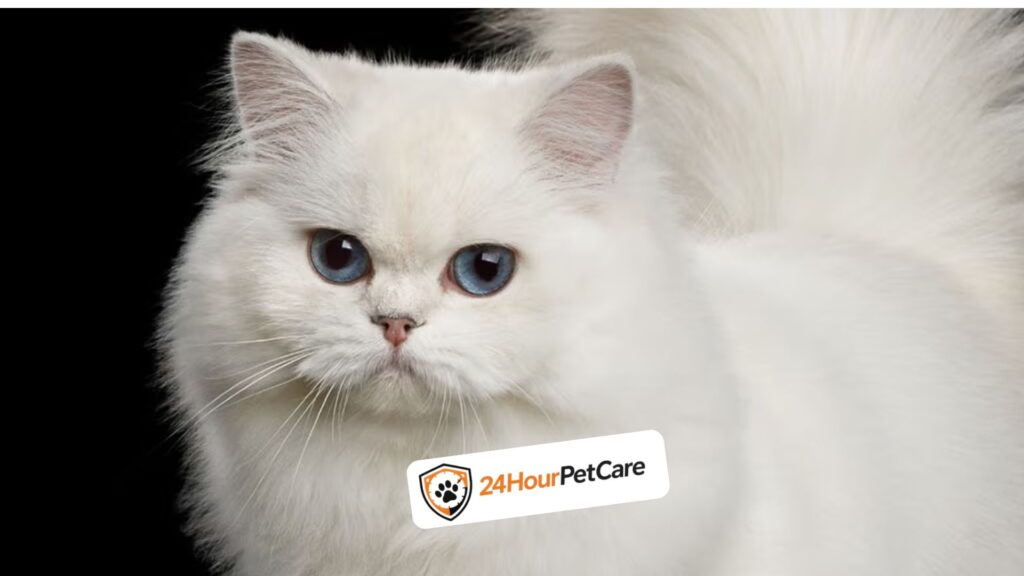
The Persian cat – “Why Is This Royal Fluffy Beauty So Expensive?” is more than just a pet; it is a symbol of beauty, calm, and history. Its luxurious coat, stunning eyes, and gentle personality make it one of the most admired cat breeds in the world. Caring for a Persian cat requires time, dedication, and love, but the reward is a loyal and affectionate companion. Beyond its charm, this cat reflects the rich culture of Persia (Iran), connecting owners to centuries of art, poetry, and tradition. From the elegance of Persian rugs to the flavors of Persian food and the pride of Persian heritage, this breed carries a story in every whisker and every soft paw. If you want a pet that combines luxury, grace, and companionship, the Persian cat – “Why Is This Royal Fluffy Beauty So Expensive?” is a perfect choice for your home and heart.
