


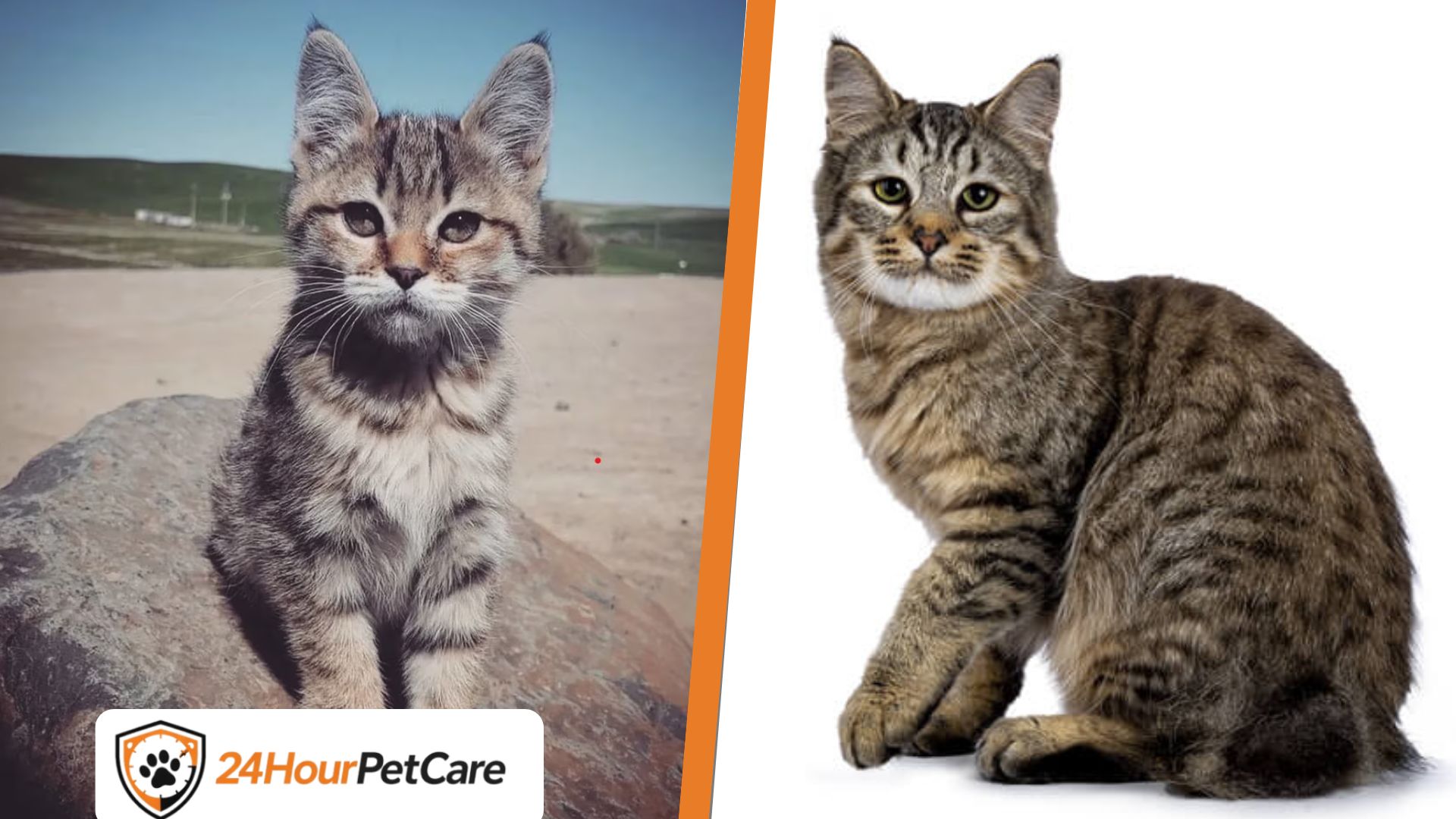
The Pixiebob Cat: The Wild-Looking Bobcat Beauty With a Loyal Dog-Like Personality – Secrets, Price, Traits & Care Guide You Can’t Miss is one of the most interesting cat breeds in the world. Known for its wild look and loyal personality, it captures attention everywhere. This article covers every detail, from its origin, traits, personality, weight, kittens, care, and adoption tips, giving you a complete understanding of this unique cat.
Origins of the Pixiebob Cat
The Pixiebob Cat: The Wild-Looking Bobcat Beauty With a Loyal Dog-Like Personality – Secrets, Price, Traits & Care Guide You Can’t Miss began in the 1980s in Washington, USA. Breeder Carol Ann Brewer discovered domestic cats with bobcat-like features in the wild. She selectively bred these cats to preserve their natural bobcat appearance while keeping a gentle domestic personality.
By the 1990s, the breed became recognized by TICA (The International Cat Association), giving Pixiebobs official status. Despite the wild appearance, DNA tests confirm that Pixiebobs are purely domestic, with no verified wildcat genes. This makes them unique: wild in looks, domestic in behavior.
Why Peterbald Cats Make Perfect Companions
The Peterbald cat is more than just a striking, hairless beauty—it is a loving and loyal companion. Known for their intelligence and curiosity, Peterbalds enjoy interacting with their owners and exploring their surroundings. They are often described as dog-like, following you around, learning simple tricks, and playing fetch. Families love them because they get along well with children and other pets, creating a harmonious home environment. Their unique coat types—from completely hairless to soft fuzz—make each cat one-of-a-kind, and their playful yet gentle nature adds to their charm. Caring for a Peterbald requires warmth, gentle skin care, and a nutritious diet, but the emotional rewards are enormous. Their affectionate personality and strong bonds with owners make Peterbald cats ideal for people seeking companionship that is both extraordinary and interactive. Choosing a Peterbald is choosing a friend for life.
Physical Characteristics
Body and Size
The Pixiebob is a medium-to-large, muscular cat. Male Pixiebobs usually weigh 12–17 pounds, while females weigh 8–12 pounds. Their strong body makes them look wild, but they are agile and friendly.
Coat and Colors
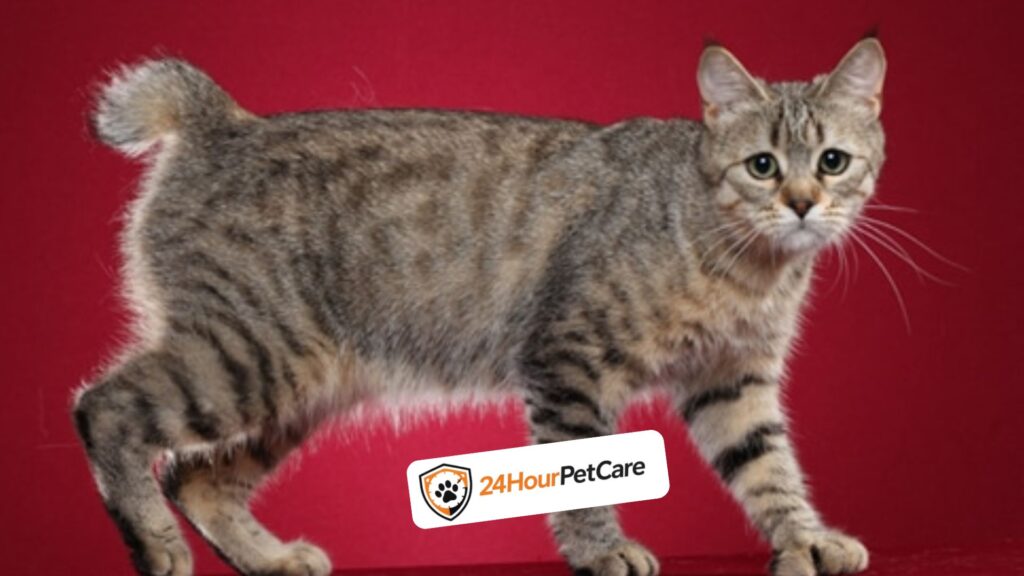
Pixiebobs have thick, double coats, which can be short or long. Their common color is brown spotted tabby, but shades can range from light tan to reddish brown. The spotted coat resembles a wild bobcat, making the Pixiebob instantly recognizable.
Tail and Polydactylism
A signature feature is the bobbed tail, which can be very short or moderate. Many Pixiebobs also have polydactyl paws — extra toes. This unique trait is accepted in the breed standard and adds to their striking look.
Personality and Behavior
The Pixiebob Cat: The Wild-Looking Bobcat Beauty With a Loyal Dog-Like Personality – Secrets, Price, Traits & Care Guide You Can’t Miss is famous for its dog-like personality. They follow owners around, enjoy interactive play, and form strong bonds with family members.
Pixiebobs are intelligent and curious, making them playful companions. They get along well with children and other pets if introduced properly. Despite their wild appearance, these cats are affectionate, social, and love human attention.
Weight and Growth
Understanding weight is crucial for Pixiebob health. Adult males weigh 12–17 pounds, and females weigh 8–12 pounds. Proper nutrition and exercise ensure they maintain a healthy weight. Overfeeding or lack of activity can lead to obesity, which may cause health problems.
Pixiebob kittens grow rapidly in the first year. Monitoring their growth, providing a balanced diet, and regular vet checkups are essential for healthy development.
Understanding the Unique Coat of Peterbald Cats
One of the most fascinating aspects of the Peterbald cat is its unique coat. Unlike many other breeds, Peterbalds can have a variety of coat types, ranging from completely hairless to soft fuzz or even a brush-like texture. This is because of a special dominant hair-loss gene inherited from their ancestors. Some kittens are born with light fuzz, which they may lose as they grow, while others remain nearly hairless throughout their life. Their skin is soft and warm to touch, making them feel very different from regular cats. Owners must pay attention to gentle skin care, including occasional bathing to remove oil buildup and prevent irritation. Despite the extra care, the variety in their coat makes each Peterbald truly unique. Their elegant appearance combined with soft skin is part of what makes Peterbald cats one of the most extraordinary and sought-after breeds for cat lovers.
Grooming Needs
Pixiebobs need regular grooming. Short-haired cats benefit from weekly brushing to remove loose fur. Long-haired Pixiebobs require more frequent brushing to prevent matting. Grooming also helps owners check skin, ears, and nails, ensuring overall health.
Brushing creates bonding time, reducing stress for both cat and owner. It also helps manage shedding, which can be significant due to their dense coat.
Social and Playful Nature of Peterbald Cats
The Peterbald cat is not only elegant but also highly social and playful. These cats love spending time with their owners, often following them from room to room and joining in family activities. Their playful behavior is remarkable—they enjoy chasing toys, climbing, and sometimes even playing fetch like a small dog. Early socialization is important, as Peterbalds thrive in homes where they get attention and interaction. They are also known to bond well with children and other pets, making them excellent family companions. Despite their delicate appearance, they are energetic and curious, exploring every corner of their home. Mental stimulation is important, so providing puzzle toys or interactive games keeps them happy. The combination of affection, playfulness, and curiosity makes Peterbald cats not just pets but beloved family members who bring joy, companionship, and energy to any household.
Health Considerations
Pixiebobs are generally healthy, but they still need care. Common health concerns include obesity and dental problems. Regular vet visits, a healthy diet, and dental hygiene prevent these issues.
Pixiebobs are active cats, which helps maintain fitness. Providing toys and climbing areas encourages exercise, reducing the risk of weight-related problems.
Diet and Nutrition
A high-quality, protein-rich diet is essential for Pixiebobs. Kittens require food formulated for growth, while adults need maintenance diets. Treats should be limited to 10% of daily calories.
Fresh water should always be available. Avoid overfeeding and monitor weight to ensure your cat stays healthy and energetic.
Pixiebob Kittens
Pixiebob kittens are playful, curious, and energetic. They inherit spotted coats and bobbed tails from their parents. Early socialization is critical, including handling, exposure to people, and introduction to other pets.
Raising kittens requires patience, proper nutrition, and enrichment toys. Interactive play helps build intelligence and strengthens the bond between owner and kitten.
Finding Pixiebob Cats for Sale or Adoption
Many people search for “Pixiebob Cat: The Wild-Looking Bobcat Beauty With a Loyal Dog-Like Personality – Secrets, Price, Traits & Care Guide You Can’t Miss for sale” or kittens. Reputable breeders provide health certificates, vaccination records, and guidance for new owners.
Adoption is also a great option. Shelters occasionally have Pixiebobs available, offering loving homes to cats in need.
Price Range
Pixiebob kittens usually cost between $800–$2500. Show-quality cats or championship lineage may cost more. Prices vary based on coat, pedigree, and breeder reputation.
Always choose a breeder who tests for common health problems and supports new owners. Proper health checks and vaccinations protect your investment.
Training and Mental Stimulation
Pixiebobs are intelligent and enjoy training. Using positive reinforcement, you can teach commands, tricks, or even leash walking. Puzzle toys and interactive games keep them mentally stimulated.
Providing challenges and toys prevents boredom and encourages activity, ensuring a happy, healthy cat.
Living with a Pixiebob
Pixiebobs adapt well to homes of all sizes. They enjoy climbing, exploring, and interactive play. Many even like water and enjoy watching outdoor scenery safely.
A safe indoor environment with toys, scratching posts, and climbing areas keeps them stimulated. Regular interaction strengthens the bond with their human family.
Frequently Asked Questions
Q1: What is a Peterbald cat?
A Peterbald cat is a rare, elegant breed from Russia, known for its hairless or lightly coated body, slender frame, and friendly personality.
Q2: How do I care for a Peterbald cat?
Peterbald cats need warmth, regular gentle bathing, high-quality food, and interactive play for mental and physical health.
Q3: How much does a Peterbald cat cost?
A Peterbald kitten can cost between $1,500–$5,000 USD depending on breeder, pedigree, and coat type.
Q4: Are Peterbald cats hypoallergenic?
Not completely. While hairless, allergens come from skin and saliva. Regular cleaning reduces allergic reactions.
Q5: How is a Peterbald different from a Sphynx?
Peterbalds have a dominant gene allowing multiple coat types and are more slender, while Sphynx cats are usually hairless with a recessive gene.
Conclusion
The Peterbald cat is truly one of the most unique and fascinating cat breeds in the world. From its Russian origins in Saint Petersburg to its elegant, slender body and striking eyes, this breed captures attention instantly. Peterbald cats are not only beautiful but also highly intelligent, playful, and affectionate. Their dog-like loyalty makes them excellent companions for families, singles, or anyone who loves an interactive pet. With multiple coat types, including hairless and soft fuzz, each Peterbald is unique and special. Caring for them requires attention to warmth, skin care, and nutrition, but the rewards are immense. They adapt well to homes with children and other pets, making them versatile companions. For those looking for a rare, loving, and extraordinary cat, a Peterbald is a perfect choice. Their combination of elegance, personality, and charm ensures they will remain unforgettable for every owner.
