


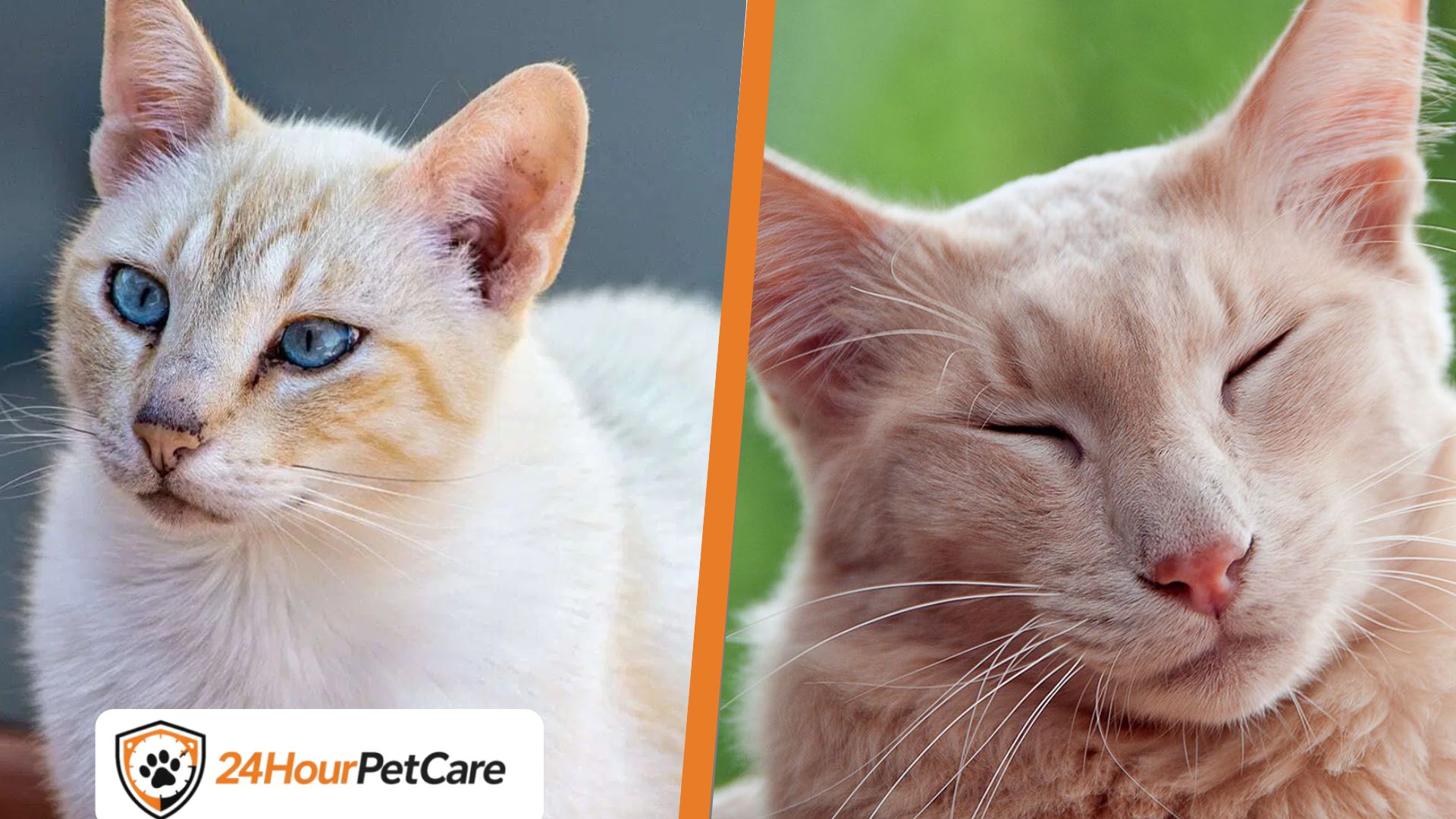
The Javanese cat is one of the most elegant and rare cat breeds in the world. Known for its silky coat, bright blue eyes, and graceful movements, it has won the hearts of cat lovers everywhere. This breed combines beauty, intelligence, and playful personality, making it a perfect companion for families and cat enthusiasts. In this article, we will explore everything about Javanese cats, from their history to care tips and why they are so special.
Origins of the Javanese Cat
The Javanese cat originated in North America as a mix of Balinese and Siamese cats. Breeders aimed to create a cat with the elegance of the Balinese but with more color options. Over time, the Javanese breed gained recognition for its striking appearance and affectionate nature. Unlike their name, these cats do not come from Java, Indonesia, but their exotic look gives them a unique charm.
Physical Appearance
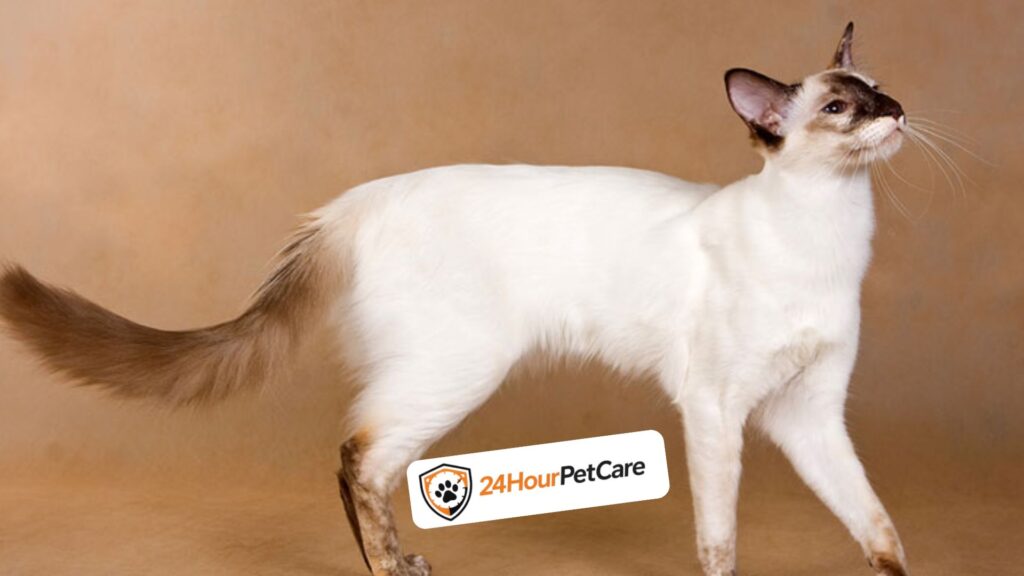
A Javanese cat is medium-sized with a slender, muscular body. Its most notable feature is the long, silky coat that comes in a variety of colors and patterns. They have bright blue almond-shaped eyes that stand out against their coat. The breed also has a fine wedge-shaped head, long neck, and elegant legs. Their graceful movement and refined structure make them a standout in any cat show.
Coat and Color Patterns
The coat of a Javanese cat is soft, fine, and medium-length, making it low maintenance compared to other long-haired breeds. Popular color patterns include seal point, chocolate point, blue point, and cream point, as well as tortie and lynx points. These variations contribute to the breed’s popularity and make each cat look unique. Their coat often glistens under light, emphasizing the smooth texture and vibrant patterns.
Personality Traits
Javanese cats are highly intelligent and curious. They are playful and love interacting with their human companions. Many owners describe them as vocal and communicative, often expressing their needs with soft meows. Despite their energetic nature, they are also affectionate and enjoy cuddling. This balance of playfulness and gentleness makes them perfect pets for families and individuals alike.
Intelligence and Training
The intelligence of Javanese cats allows them to learn tricks, respond to commands, and even solve simple puzzles. Their sharp minds require mental stimulation, such as interactive toys and games. Training is easier with positive reinforcement, and they respond well to clicker training. This makes them ideal for households seeking a cat that can engage actively with its owners.
Health and Lifespan
Generally, Javanese cats are healthy and can live between 12 to 18 years. However, they may inherit some health issues from Siamese and Balinese ancestors, such as dental problems, respiratory issues, or eye conditions. Regular check-ups, proper nutrition, and routine grooming help maintain their health and well-being. Ensuring a safe, stimulating environment also contributes to a happy life for a Javanese cat.
Feeding and Nutrition
Proper nutrition is important for a Javanese cat. They thrive on high-quality cat food rich in protein and low in fillers. Wet food or a combination of wet and dry food helps keep them hydrated and supports healthy skin and coat. Avoid overfeeding, as Javanese cats can gain weight if their activity level is low. Fresh water should always be available.
Grooming Needs
The Javanese cat has a low-maintenance coat compared to long-haired breeds. Weekly brushing is usually sufficient to keep the coat smooth and tangle-free. They shed moderately, so occasional grooming is needed to prevent hairballs. Bathing is not required unless the cat gets particularly dirty. Their striking coat is part of what makes this breed so desirable, so maintaining it properly is essential.
Socialization and Behavior
Early socialization is key for Javanese cats. Introducing them to children, other pets, and different environments helps them become well-rounded and confident. They enjoy playtime, interactive toys, and gentle exploration. A socialized Javanese cat is friendly, affectionate, and less likely to develop anxiety or behavioral problems.
Interaction with Families
This breed is known for forming strong bonds with their families. Javanese cats enjoy following their owners around and being part of daily activities. They are gentle with children and can adapt well to multi-pet households. Their affectionate nature makes them ideal for people looking for a companion who is both playful and loving.
Compatibility with Other Pets
Javanese cats generally get along with other pets, including dogs, if introduced properly. They appreciate a calm and friendly environment. Early exposure to other animals helps reduce territorial behavior. Their social personality makes them one of the more adaptable cat breeds, fitting well into diverse households.
Recognitions and Awards
The Javanese breed is recognized by major cat associations, including the Cat Fanciers’ Association (CFA) and The International Cat Association (TICA). They are admired in cat shows for their unique coat patterns, elegance, and playful temperament. Breeders and enthusiasts often highlight the breed’s rare colors and patterns, which contribute to their rising popularity.
Choosing a Javanese Cat
If you plan to buy a Javanese cat, it is important to find a reputable breeder. Look for breeders who focus on health, temperament, and proper care. Prices can vary depending on lineage, coat color, and pedigree. Ensure the cat has received proper vaccinations and a health check before bringing it home. Adoption may also be an option through cat rescue organizations.
Living Environment
Javanese cats thrive in indoor environments where they can safely explore and play. They enjoy climbing posts, interactive toys, and window views. Providing scratching posts and comfortable resting areas helps them stay active and stress-free. A safe indoor space also protects them from outdoor dangers such as traffic or predators.
Fun Facts About Javanese Cats
- Despite their name, they do not originate from Java, Indonesia.
- They are a mix of Balinese and Siamese breeds.
- Known for their vocal and expressive personality.
- Can be trained to perform simple tricks.
- Popular among cat lovers for their silky coat and bright blue eyes.
- They have low shedding, making them suitable for allergy-conscious owners.
- Highly adaptable to different living spaces, from apartments to larger homes.
The Cultural Confusion of the Name
Many people confuse Javanese cats with the Javanese people or culture of Java, Indonesia. While the breed takes its exotic-sounding name from the island, it was developed in North America. The name was chosen to evoke elegance and exotic beauty, which aligns with the cat’s graceful appearance and refined personality.
Exercise and Playtime
Javanese cats are active and playful. They need daily interaction, climbing opportunities, and engaging toys to satisfy their curiosity. Puzzle feeders, cat trees, and interactive games help prevent boredom. Playtime strengthens the bond between the cat and owner and keeps them mentally and physically healthy.
Breeding and Lineage
Reputable breeders focus on maintaining the health, temperament, and appearance of the Javanese breed. They select cats with good genetics, avoiding close inbreeding. Lineage often traces back to Balinese and Siamese cats with rare color patterns, making certain cats highly sought after for shows or breeding programs.
Common Misconceptions
Some believe Javanese cats are very demanding due to their vocal nature, but with proper attention, they are balanced and affectionate. Another misconception is that they require extensive grooming; in reality, their coat is manageable with weekly care. Understanding the breed’s personality helps owners enjoy a rewarding relationship.
Health Monitoring
Regular vet check-ups, vaccinations, and dental care are essential for Javanese cats. Monitoring for eye, heart, and kidney issues helps prevent serious health problems. Maintaining a clean living space, providing a balanced diet, and observing behavior changes ensures a long, happy life for the cat.
Travel and Adaptability
Javanese cats can adapt to travel if introduced gradually. They may tolerate carriers, short trips, or visits to friends and family. Familiar items like blankets and toys make travel less stressful. Their intelligence allows them to adjust quickly to new environments when introduced properly.
Community and Online Presence
Javanese cats have a strong presence in online cat communities and forums. Owners share care tips, breed information, and personal stories. Social media pages, YouTube videos, and breed-specific groups showcase their beauty, behavior, and unique personalities, helping prospective owners learn more before adopting.

Frequently Asked Questions
- What is a Javanese cat?
The Javanese cat is a sleek, long-haired breed known for bright blue eyes, intelligence, and affectionate personality. - Are Javanese cats easy to groom?
Yes! Their medium-length silky coat requires weekly brushing, keeping shedding and tangles under control. - Do Javanese cats get along with children and pets?
Absolutely. They are playful, social, and adaptable, making them ideal for families with kids or other pets. - Where did Javanese cats come from?
Despite the name, Javanese cats were developed in North America from Balinese and Siamese cats, not Java, Indonesia. - How long do Javanese cats live?
With proper care, diet, and vet visits, Javanese cats can live 12–18 years, offering a long-term companion.
Conclusion
In summary, the Javanese cat is an extraordinary breed that offers elegance, intelligence, and companionship. With its silky coat, bright blue eyes, and loving personality, it is no wonder that this cat is winning the hearts of cat lovers worldwide. Proper care, attention, and love can help a Javanese cat thrive and form a lifelong bond with its owner. For those looking for a playful yet affectionate pet, the Javanese cat is a top choice. With proper attention to grooming, nutrition, playtime, and socialization, owning a Javanese cat can be a highly rewarding experience that brings joy for many ye
