


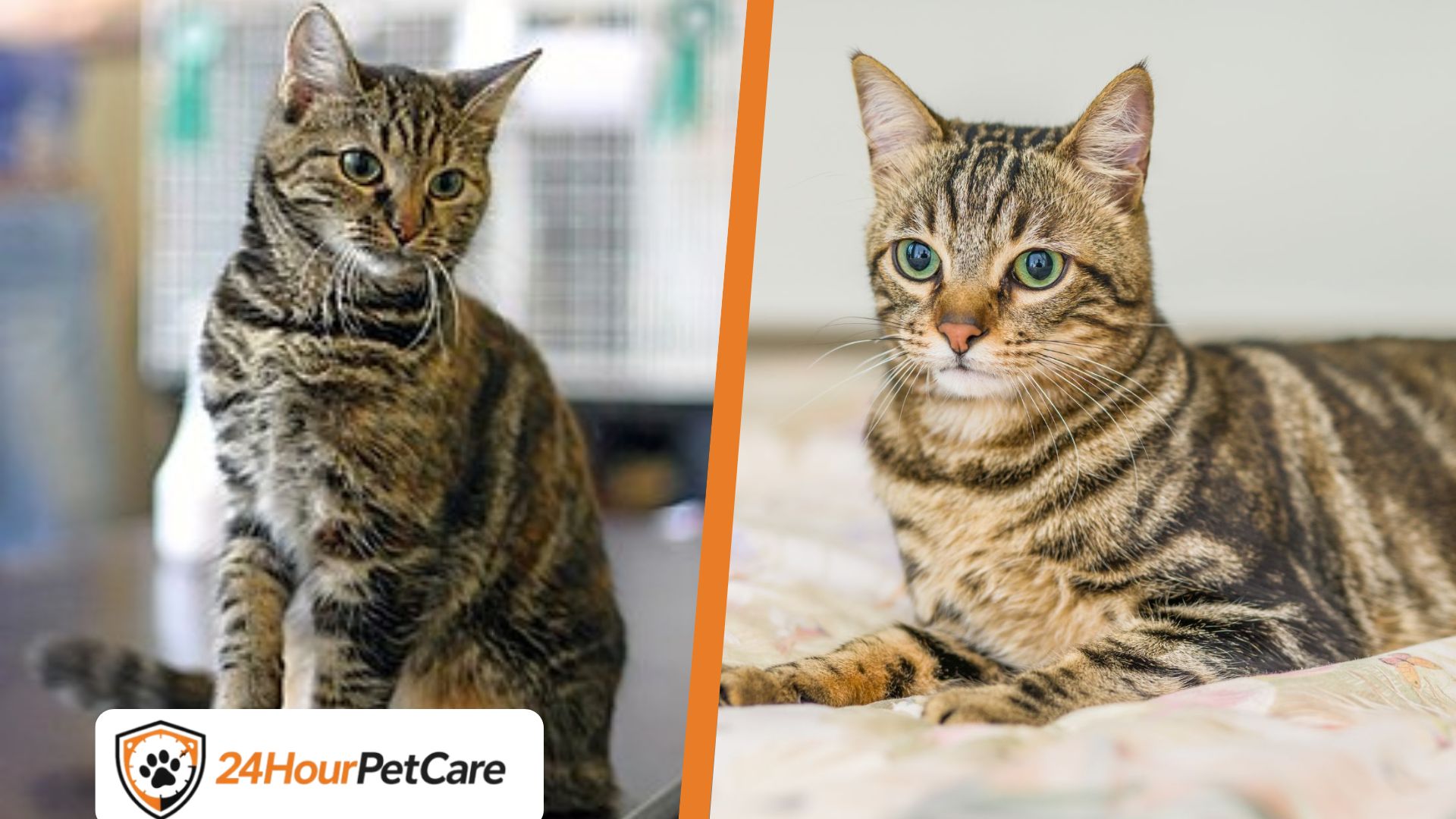
The European Longhair cat is a graceful and fluffy feline that many cat lovers admire for its beauty and calm personality. This breed combines the natural strength of European domestic cats with a soft and elegant long coat. Many people search for information about the European Longhair cat because it is less common than other long-haired breeds. Owners appreciate its balanced temperament, intelligence, and friendly nature. In this guide, you will learn about the history, appearance, personality, care needs, and lifestyle of the European Longhair cat so you can fully understand this rare and beautiful breed.
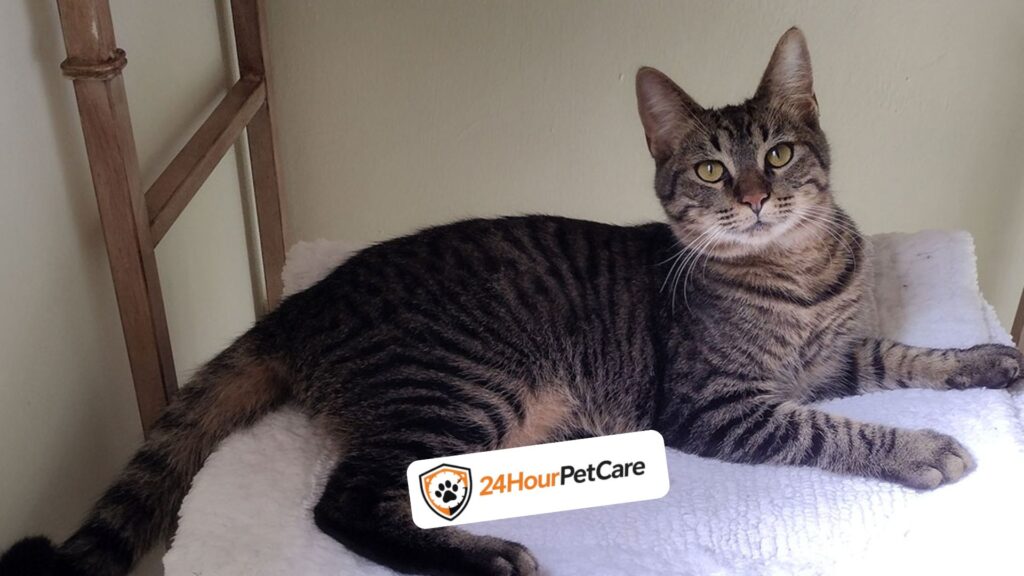
Origin and History
The history of the European Longhair cat is connected to the natural domestic cats that lived across Europe for centuries. These cats were valued by farmers and sailors because they hunted mice and protected food supplies. Over time, some cats developed longer coats due to natural genetic variation and colder climates.
The modern idea of the European Longhair cat came from breeders who wanted to keep the traditional look of European house cats but with longer fur. In early cat breeding history, many long-haired cats were grouped together with famous breeds like the Persian cat and Turkish Angora. Later, breeders started separating them into more specific types.
Physical Appearance
The European Longhair cat has a balanced and natural body structure. It is usually medium to large in size with a strong and muscular body. Adult males often weigh 4 to 8 kilograms, while females are slightly smaller.
One of the most beautiful features of the European Longhair cat is its thick and silky coat. The fur is semi-long, soft, and slightly dense. Many cats have a fluffy tail and a soft ruff around the neck, which gives them a noble and elegant appearance.
Head, Eyes, and Tail
The head of the European Longhair cat is round but not flat like some other long-haired breeds. The ears are medium in size and stand upright, which gives the cat an alert and intelligent look. The eyes are often round or slightly almond-shaped.
Eye colors can include green, gold, copper, or blue, depending on the coat color. The tail of the European Longhair cat is long and very bushy. This tail often looks like a feather plume and adds to the cat’s graceful appearance.
Coat Colors and Patterns
Another interesting feature of the European Longhair cat is the wide variety of coat colors. Because the breed comes from natural domestic cats, it can appear in many beautiful shades.
Common coat colors include black, white, blue, red, cream, and brown. Patterns may include tabby, solid, tortoiseshell, calico, and bi-color. This color diversity makes every European Longhair cat unique and attractive.
Personality and Temperament
The European Longhair cat is known for having a calm and balanced personality. These cats are friendly and often form strong bonds with their owners. They enjoy spending time with people but are not usually too demanding.
Many owners describe the European Longhair cat as intelligent and curious. It likes to explore rooms, watch activities in the house, and play with toys. Despite this curiosity, the breed is usually gentle and relaxed.
Behavior and Daily Activity
The European Longhair cat has a moderate activity level. It enjoys playtime but also loves quiet moments. A comfortable bed, a sunny window, or a high shelf can quickly become the favorite place for a cat to relax.
Play activities such as chasing toys or climbing cat trees help keep the European Longhair cat healthy and mentally active. Interactive toys and simple games with owners can strengthen the bond between the cat and its family.
Grooming and Coat Care
Because the European Longhair cat has long fur, regular grooming is important. Brushing the coat two or three times each week helps remove loose hair and prevents tangles.
Grooming also reduces hairballs, which can sometimes happen with long-haired breeds. The coat of the European Longhair cat usually stays soft and shiny when it is brushed regularly and kept clean.
Diet and Nutrition
A healthy diet is essential for the overall health of the European Longhair cat. Like all domestic cats, this breed is a carnivore and needs food rich in animal protein.
Quality cat food with ingredients such as chicken, fish, or turkey can support muscle strength and coat health. Fresh water should always be available, and portion control helps prevent weight gain.
Health and Lifespan
The European Longhair cat is generally considered a healthy breed because it developed from natural domestic cat populations rather than heavy selective breeding.
Most cats live between 12 and 16 years, although some may live longer with good care. Regular veterinary visits, vaccinations, and dental care help maintain the long-term health of the European Longhair cat.
Caring for Your European Longhair Cat
Caring for a European Longhair cat is easier than many expect, but it does require attention to grooming, diet, and mental stimulation. Regular brushing, ideally two to three times per week, keeps their long coat smooth, prevents tangles, and reduces hairballs. Bathing is rarely needed but can help during shedding seasons. Nutrition is key: provide high-quality, protein-rich food with fresh water to support a shiny coat and healthy body. Mental stimulation is also important; interactive toys, puzzle feeders, and climbing spaces keep your European Longhair cat active and engaged. Regular veterinary checkups, vaccinations, and dental care help prevent illness and extend their lifespan. Social interaction is another crucial aspect—these cats enjoy gentle play and affection, forming strong bonds with their owners. With consistent care, your European Longhair cat will stay healthy, happy, and playful, rewarding you with years of companionship and love.
European Longhair Kitten
A European Longhair kitten is playful, energetic, and curious about everything around it. During the first months of life, kittens learn important social skills from their mother and littermates.
Young kittens love exploring new objects, climbing small furniture, and chasing moving toys. Proper socialization helps a European Longhair kitten grow into a confident and friendly adult cat.
Differences From Other Longhair Breeds
Many people confuse the European Longhair cat with other long-haired breeds. However, it has a more natural body shape and moderate coat length.
For example, the Maine Coon is much larger and has tufted ears. The Persian cat has a flat face and extremely long fur. The Norwegian Forest Cat has a thicker double coat designed for cold climates.
Living Environment
The European Longhair cat adapts well to different living environments. It can live comfortably in apartments, houses, or rural homes.
However, the cat should have safe spaces to climb and explore. Cat trees, scratching posts, and window perches can make the home environment more interesting for the European Longhair cat.
Is This Breed Rare?
The European Longhair cat is still considered relatively rare compared with other famous long-haired breeds. Many long-haired domestic cats are often classified simply as Domestic Longhair instead of being identified as a specific breed.
Because of this, true examples of the European Longhair cat are less common, which makes them interesting for cat enthusiasts and breeders.
Is the European Longhair Right for You?
The European Longhair cat can be a wonderful companion for many types of families. Its gentle nature and moderate activity level make it suitable for both quiet homes and active households.
People who enjoy affectionate pets and beautiful long-haired cats often find the European Longhair cat to be a perfect choice. With proper care, grooming, and attention, this elegant cat can become a loyal and loving member of the family.
Frequently Asked Questions
- What is a European Longhair cat?
The European Longhair cat is a medium-to-large domestic breed with a soft, long coat and friendly personality. - How long do European Longhair cats live?
They typically live 12–16 years with proper care, diet, and regular vet checkups. - Do European Longhair cats need special grooming?
Yes, brushing 2–3 times per week prevents tangles, hairballs, and keeps their coat healthy. - Are European Longhair cats good with families?
Absolutely! They are social, affectionate, and adaptable, making them ideal for homes with children or other pets. - Where can I get a European Longhair kitten?
Look for registered breeders or adoption centers that specialize in European Longhair cats to ensure a healthy, pedigreed kitten.
Conclusion
The European Longhair cat is a rare and beautiful breed that stands out for its soft, long coat, balanced body, and friendly personality. Known for being intelligent, curious, and affectionate, this cat easily adapts to different households, whether quiet apartments or active family homes. With proper grooming, a healthy diet, and regular veterinary care, the European Longhair cat can live a long, happy life, often reaching 12–16 years. Its playful yet calm temperament makes it ideal for families, first-time cat owners, and cat enthusiasts seeking a loyal companion. European Longhair kittens are energetic and social, learning essential behaviors early in life, which helps them grow into well-adjusted adults. Though less common than other long-haired breeds, this cat’s unique appearance and gentle nature make it a prized pet for anyone who values beauty, personality, and a loving feline companion. Caring for one brings joy, companionship, and a lifelong bond.
