


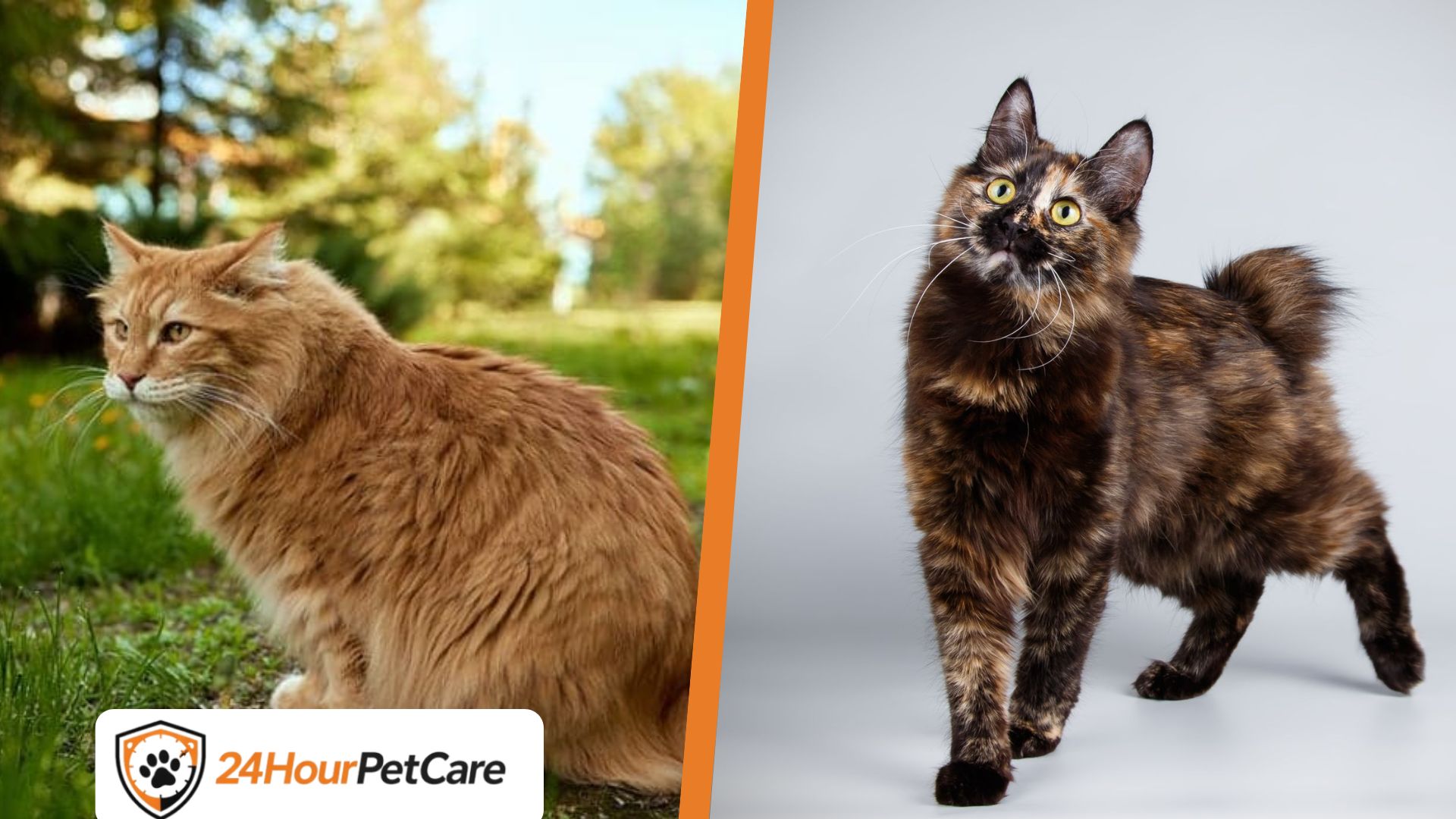
The Karelian Bobtail is one of the rarest cat breeds in the world. Known for its unique short tail, this breed comes from the Karelia region in northwestern Russia, near Finland. The Karelian Bobtail cat is loved for its playful, intelligent, and friendly personality. It is a natural breed that survived harsh northern winters, which made it strong, healthy, and independent. Today, cat enthusiasts around the world admire this rare feline for its charm and beauty.
Origin of the Karelian Bobtail
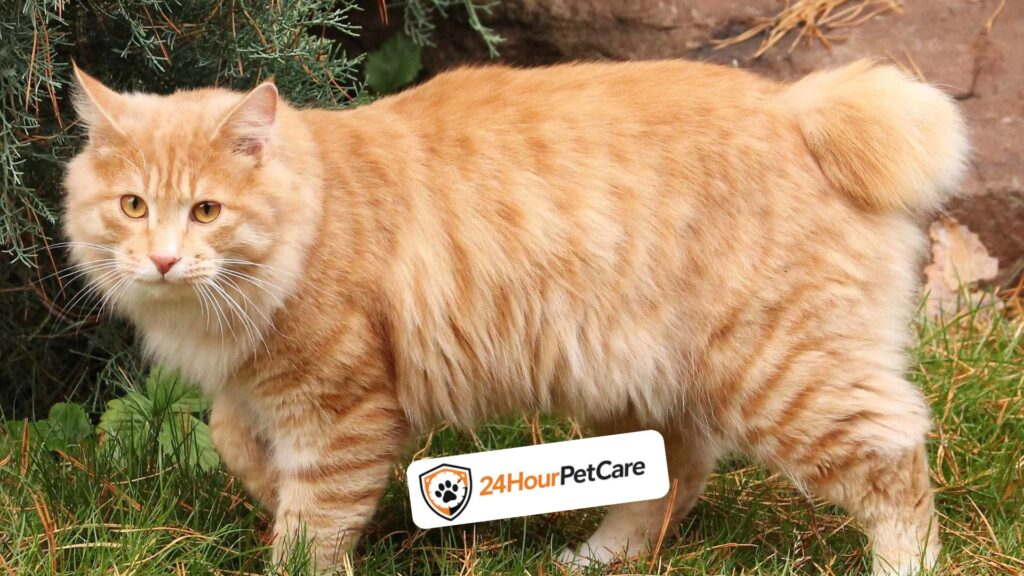
The Karelian Bobtail developed naturally in northern forests and islands. It is a landrace breed, meaning humans did not initially breed it for specific traits. The cats adapted to harsh climates over 200 years, developing thick coats, strong bodies, and excellent hunting skills. In the 1980s, Russian scientists and cat breeders studied this unique breed. They created official standards for its appearance and personality. By 1994, the World Cat Federation recognized the breed. Despite this, it remains rare outside Russia, making the Karelian Bobtail cat highly prized by collectors.
Physical Appearance of the Karelian Bobtail
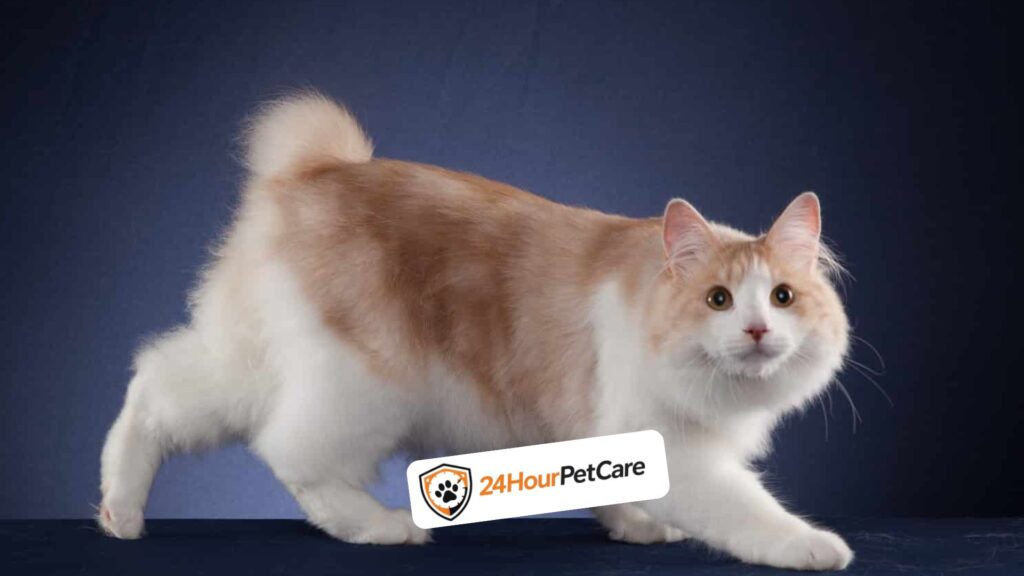
The Karelian Bobtail cat has a medium-sized, muscular body. It is balanced, agile, and athletic, perfect for climbing and exploring. Adult males weigh around 7–15 pounds, while females are slightly smaller. Its round paws, long hind legs, and strong body allow it to jump and move gracefully. The most famous feature is the short, kinked tail, typically 4–13 cm long. Each tail is unique, sometimes twisted or curled, giving a pom-pom look. This unusual tail is a defining trait of the breed and adds to its rare charm.
Coat Type and Colors
The Karelian Bobtail can have either short or semi-long hair. Its coat is dense and double-layered, designed to protect against cold weather. The soft undercoat and glossy top layer keep the cat warm and healthy. Accepted colors include black, white, blue, tabby, tortoiseshell, and bicolor patterns. Some colors, like chocolate, lilac, cinnamon, fawn, or colorpoint, are not recognized. The coat requires moderate grooming, typically 1–2 times per week, and extra care during shedding season.
Head, Eyes, and Facial Features
The Karelian Bobtail cat has a triangular-shaped head with a flat forehead and narrow muzzle. Its ears are large and upright, giving it an alert, intelligent look. The eyes are oval and slightly slanted, commonly gold, green, or blue. This combination of head shape, eyes, and bobbed tail makes the cat instantly recognizable. Some experts note that the Karelian Bobtail makes a unique chirping sound, unlike typical meows. This vocal trait makes the cat even more interesting to owners.
Personality and Temperament
The Karelian Bobtail is gentle, friendly, and calm. It loves human companionship and forms strong bonds with family members. Its playful yet relaxed personality makes it suitable for children and other pets, including dogs. Curious and intelligent, the Karelian Bobtail cat enjoys interactive toys, puzzle games, and exploring its environment. While moderately active, it balances playful bursts with long periods of relaxation, making it ideal for families or single owners.
Intelligence and Trainability
The Karelian Bobtail is highly intelligent. It can learn basic commands, respond to interactive toys, and solve puzzles. Positive reinforcement works best when training these cats. Their curiosity and social nature make them easy to engage. Owners often notice how quickly they learn routines and adapt to new environments. This intelligence, combined with friendliness, makes the Karelian Bobtail cat an excellent companion.
Health and Lifespan
The Karelian Bobtail cat has strong health thanks to its natural development. It has fewer genetic problems compared to selectively bred cats. The average lifespan is 15–20 years, depending on diet, care, and lifestyle. Regular vet visits, vaccinations, and a balanced diet keep the cat healthy. The breed rarely suffers from common feline illnesses, making it ideal for owners seeking a long-lived and robust companion.
Grooming and Maintenance
Grooming the Karelian Bobtail is simple. Short-haired cats need brushing once or twice a week. Semi-long-haired cats may need extra attention. Grooming reduces shedding and keeps the coat healthy. Other care includes trimming nails, cleaning ears, and brushing teeth. Despite its thick coat, this breed is relatively low-maintenance, perfect for busy owners who still want a beautiful and healthy cat.
Diet and Nutrition
A high-protein diet is essential for the Karelian Bobtail cat. It supports muscle development, energy, and overall health. Interactive feeding and puzzle toys stimulate mental activity while encouraging natural hunting instincts. Moderate daily exercise, climbing, and playtime are important. These activities keep the cat fit and happy. The Karelian Bobtail adapts well to both indoor and apartment living if provided with attention and stimulation.
Genetics of the Bobtail
The Karelian Bobtail has a recessive gene for its short tail. Both parents must carry this gene to produce kittens with bobbed tails. This is different from other bobtail breeds like the Kurilian Bobtail or Japanese Bobtail, where the trait is dominant. The recessive nature of the gene makes each kitten unique. Tail length and curl vary, adding to the breed’s rarity and charm. Breeding programs are selective to maintain the genetic health of the Karelian Bobtail cat.
Rarity and Population
The Karelian Bobtail is extremely rare. Only a few breeding programs exist, mostly in Russia. The global population is small, and cats are highly sought after by collectors and enthusiasts. Its rarity, friendly personality, and distinctive appearance make the Karelian Bobtail cat one of the most desirable breeds. Breeding programs work carefully to preserve genetic diversity while slowly increasing population numbers.
Differences from Other Bobtail Breeds
People often confuse the Karelian Bobtail with other bobtail cats. Key differences include: Karelian Bobtail: Russia, recessive tail gene. Kurilian Bobtail: Kuril Islands, dominant tail gene. Japanese Bobtail: Japan, dominant tail gene. The Karelian Bobtail cat is unique in appearance, genetics, and personality, making it a truly independent breed.
Behavior Around Family
The Karelian Bobtail is highly social. It enjoys human interaction, often following owners around the house. Its calm temperament makes it safe for children. It rarely scratches or bites without provocation. With other pets, the Karelian Bobtail cat is friendly and adaptable. It can form bonds with dogs, birds, and other cats, making it a versatile and family-friendly pet.
Adaptation to Climate
This breed is well adapted to cold climates. Its dense double coat protects it from snow and frost. In warmer regions, care is needed to avoid overheating, but the Karelian Bobtail generally adapts well to moderate indoor temperatures. Owners often provide shaded areas, water, and light activity in hot weather. This adaptability is another reason the breed remains healthy and long-lived.
Popularity and Recognition
While the Karelian Bobtail is rare, it is gaining recognition among cat enthusiasts globally. Cat shows in Russia and parts of Europe occasionally feature this breed. Its unique tail, dense coat, and calm personality make it a crowd favorite. Recognition by organizations like the World Cat Federation adds credibility. However, it is still not accepted by many major international registries, maintaining its status as a rare gem in the cat world.
How to Buy a Karelian Bobtail
Finding a Karelian Bobtail cat is challenging due to its rarity. Prospective owners should seek registered breeders, mainly in Russia. Prices vary, often depending on pedigree, age, and coat type. It’s important to avoid unverified sellers. A responsible breeder ensures proper health checks, vaccinations, and socialization. The Karelian Bobtail is a long-term commitment, but its companionship and unique traits make it worth the effort.
Common Myths
Some people believe the Karelian Bobtail is aggressive due to its wild appearance. In reality, it is calm, affectionate, and social. Another myth is that its bobtail limits mobility. The opposite is true; its tail is purely cosmetic and does not affect balance or agility. These myths often arise from confusion with other bobtail breeds. Understanding the breed’s true temperament makes it easier to appreciate its unique qualities.
Fun Facts About the Karelian Bobtail
- Each tail is unique, almost like a fingerprint.
- The breed has survived harsh winters for over 200 years.
- It is known for chirping sounds, not just meows.
- It can live up to 20 years with proper care.
- Rare outside Russia, making it a highly prized breed.
These facts make the Karelian Bobtail cat a fascinating pet for enthusiasts worldwide.
Why Choose a Karelian Bobtail
Choosing a Karelian Bobtail is ideal for those seeking: a friendly and social companion, a playful yet calm cat, a healthy, long-lived breed, and a rare and unique pet. Its combination of intelligence, rarity, and beauty makes it one of the most extraordinary cats for collectors and families alike.
Frequently Asked Questions
Q1: What is a Karelian Bobtail cat?
A: The Karelian Bobtail is a rare domestic cat from Russia with a unique short, twisted tail and a friendly personality.
Q2: How long does a Karelian Bobtail live?
A: This breed usually lives 15–20 years with proper care, a balanced diet, and regular veterinary checkups.
Q3: What makes the Karelian Bobtail different from other bobtails?
A: Its recessive tail gene, thick coat, and calm, playful temperament distinguish it from Kurilian or Japanese Bobtails.
Q4: How should I care for a Karelian Bobtail?
A: Brush its coat 1–2 times per week, feed a high-protein diet, provide interactive toys, and ensure regular vet visits.
Q5: Where can I find a Karelian Bobtail cat?
A: The breed is rare and mostly found in Russia. Purchase only from reputable breeders with verified health and pedigree records.
Conclusion
The Karelian Bobtail cat is a rare and remarkable feline. With its short bobbed tail, dense coat, intelligent personality, and strong health, it stands out among domestic cats. Its adaptability, playful nature, and friendly temperament make it perfect for families, collectors, and cat lovers worldwide. While rare and difficult to find, the Karelian Bobtail is worth every effort for those who seek a unique, loving, and long-lived companion.
