


The Sokoke Cat: The Rare African Beauty with Wild Looks and a Loving Heart! is one of the most unusual and breathtaking cat breeds on Earth. Very few people have seen one in real life, and even fewer know its full history, traits, and personality. In this article, you will learn everything about the Sokoke Cat: The Rare African Beauty with Wild Looks and a Loving Heart! — from its origin in the Arabuko Sokoke Forest to how to identify a genuine Sokoke cat, and what makes it so special compared to common tabby cats.
History and Discovery of the Sokoke Cat
The story of the Sokoke Cat: The Rare African Beauty with Wild Looks and a Loving Heart! begins in the lush, ancient forest of Arabuko Sokoke in Kenya, East Africa. This forest is known for its unique wildlife, including the Sokoke scops owl and other rare animals. Local Kenyan villagers noticed small cats with strange markings unlike any ordinary domestic tabby.
In the 1970s, a woman named Jeni Slater discovered several kittens in her garden near the forest boundary. These kittens were unlike any she had seen before — their coats looked almost like tree bark, beautifully patterned in shades of brown and tan, so they blended into the forest ground. She began carefully breeding these cats with the goal of preserving their natural patterns and traits.
By the 1980s, the Sokoke Cat: The Rare African Beauty with Wild Looks and a Loving Heart! began to attract attention in Europe. Breeders in Denmark and other countries helped develop a sustainable breeding program. Through the careful work of breeders and cat clubs, the Sokoke received official recognition from cat associations like FIFe (Fédération Internationale Féline) and TICA (The International Cat Association).
Today, the Sokoke Cat: The Rare African Beauty with Wild Looks and a Loving Heart! remains rare, with fewer registered cats than more common breeds like the Siamese or Maine Coon. This rarity makes the Sokoke highly valuable and sought after by cat fans around the world.
Where Does the Sokoke Name Come From?
The word “Sokoke” comes directly from the Arabuko Sokoke Forest, where the breed’s ancestors were first found. This forest is one of the oldest remnants of dry coastal forest in East Africa, and it is a protected area for wildlife conservation. Because the original wild cats blended into tree roots and forest floors, their coat patterns became a key identifier. When people first saw these cats, they thought the markings looked like natural camouflage, helping them disappear among leaves and shadows. This distinct coat is one of the reasons the Sokoke stands out so clearly from other breeds.
Physical Features of the Sokoke Cat
Understanding what makes the Sokoke Cat: The Rare African Beauty with Wild Looks and a Loving Heart! physically different helps you appreciate its beauty and strength.
Body Structure and Size
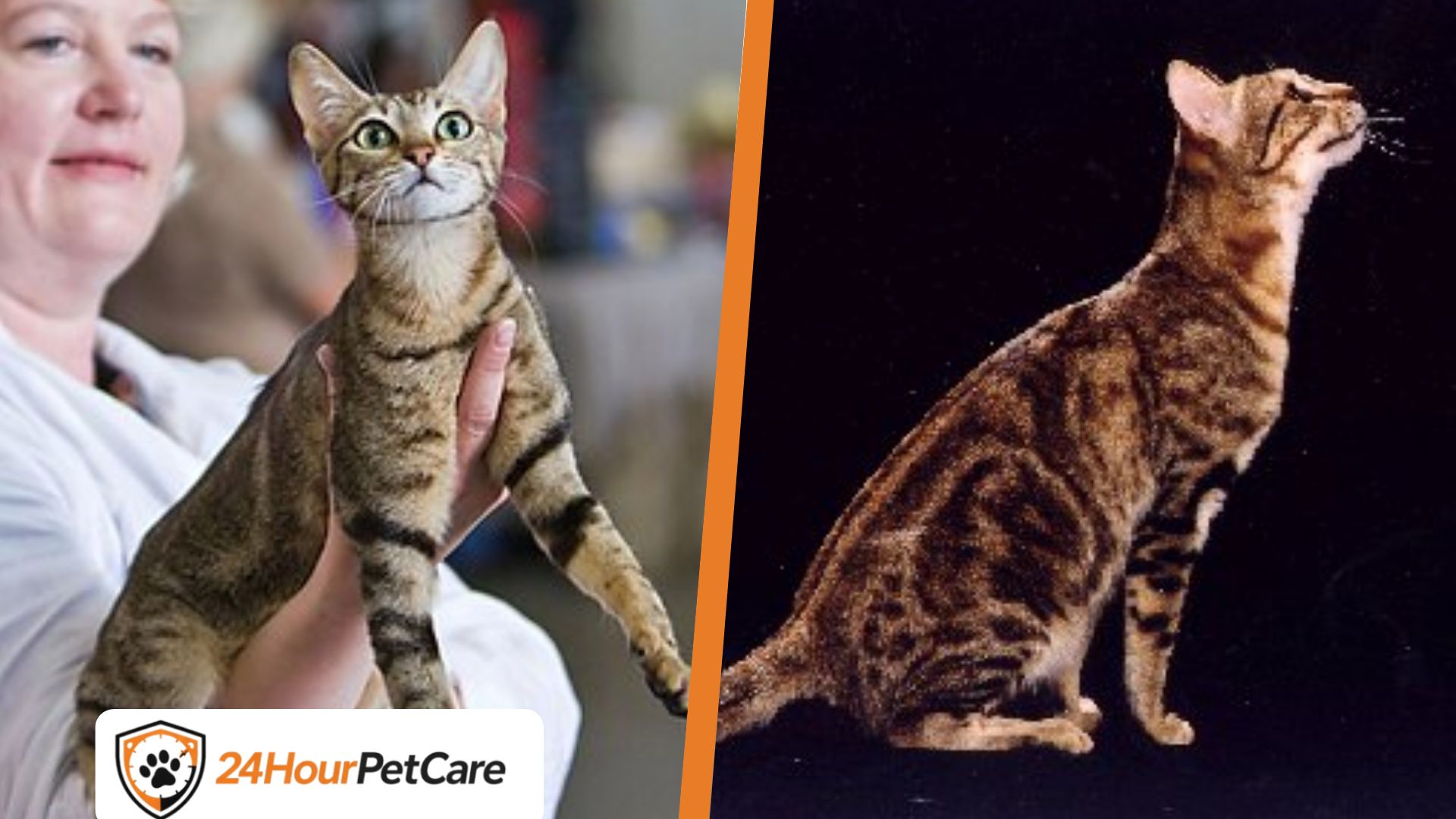
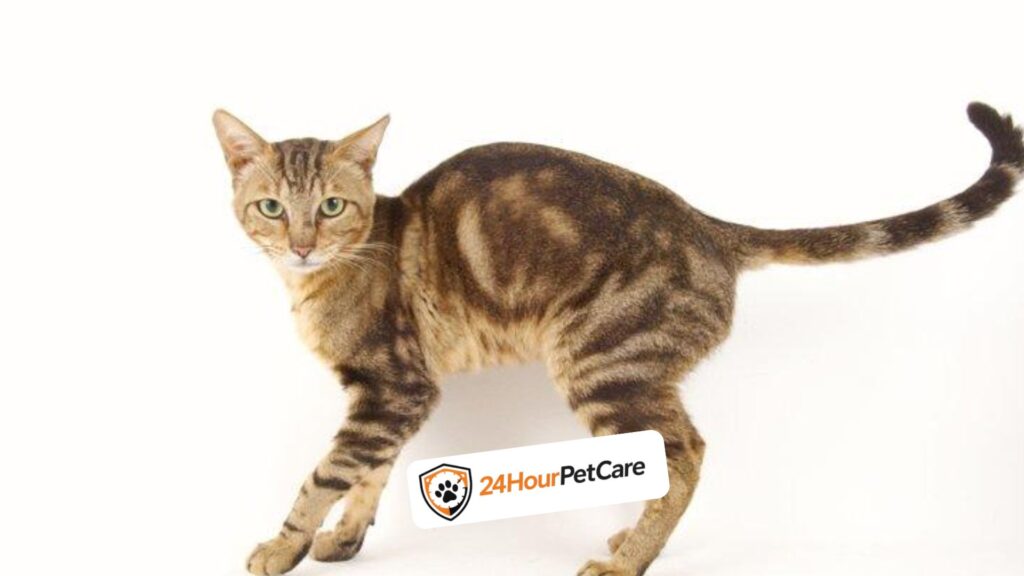
The Sokoke is a medium-sized cat but is more muscular and athletic than many house cats. Its long, lean legs allow it to run and jump easily, showing a grace that most cat lovers find stunning. The chest is deep, and the back legs are slightly longer than the front, giving it a slightly tilted posture when it stands. This design comes from wild-cat ancestry and helps with agility and balance.
Head, Ears, and Eyes
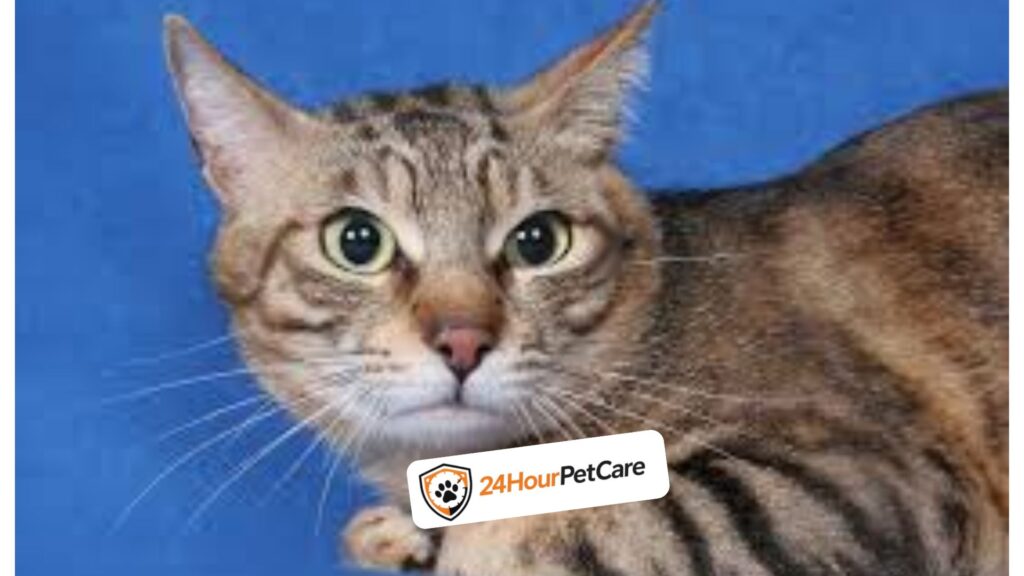
The head of the Sokoke Cat: The Rare African Beauty with Wild Looks and a Loving Heart! is smaller compared to its body, with large, pointed ears that help it hear even soft forest sounds. Its eyes are almond-shaped and almost always in shades of amber or green, giving the Sokoke a wise, alert look.
Coat Pattern and Colors
What makes the Sokoke Cat: The Rare African Beauty with Wild Looks and a Loving Heart! truly unforgettable is its coat. It features a distinctive Sokoke tabby pattern — usually an irregular, winding design that resembles wood grain, tree bark, or forest shadows. This pattern differs from standard tabby markings seen in other cats. The coat is short, fine, and glossy. Most Sokokes are in brown tabby shades, but lighter or rarer colors like snow variants can sometimes occur. These patterns are not just beautiful — they are part of the breed’s history and identity.
Personality and Temperament
Many cat lovers ask, “Are Sokoke cats friendly?” The answer is yes — but with special characteristics.
Affectionate Yet Independent
The Sokoke Cat: The Rare African Beauty with Wild Looks and a Loving Heart! forms close bonds with its family members. It is not usually a shy or distant cat. Instead, it shows affection in softer, thoughtful ways — following its favorite person from room to room, curling up nearby in the evening, or gently playing. But this cat is also independent. Unlike breeds that demand constant attention, the Sokoke knows when to play and when to rest. This balance makes it great for quiet homes, as well as active families.
Intelligent and Curious
The Sokoke loves to explore, climb, and investigate. It is one of the most intelligent domestic breeds, often figuring out puzzles or toys quickly. It enjoys vertical space, so cat trees, climbing shelves, and safe outdoor runs make excellent additions to a Sokoke’s home. Because of its intelligence, the Sokoke Cat: The Rare African Beauty with Wild Looks and a Loving Heart! tends to get bored easily if left alone for long periods. Interactive play and environmental enrichment are important to keep it happy.
Health and Lifespan
One of the rewarding things about the Sokoke Cat: The Rare African Beauty with Wild Looks and a Loving Heart! is its generally strong health. Because this breed is closer genetically to natural cats found in the wild, it has fewer hereditary problems compared to some other breeds. Most Sokoke cats live between 12 and 15 years, and some live even longer with proper care. Regular veterinary check-ups, high-quality feed, and plenty of physical activity contribute to a long, healthy life. Because Sokoke cats are active, they tend to stay lean and fit if given regular playtime. Always ensure clean water, a nutritiously balanced diet, and regular grooming — even though their short coats do not require heavy brushing.
How to Identify a Real Sokoke
Because many domestic cats have tabby patterns, it can be confusing to know if a cat is a true Sokoke Cat: The Rare African Beauty with Wild Looks and a Loving Heart! Here are key features that help identify a genuine Sokoke:
Key Traits
- Modified tabby pattern — unique, irregular stripes that do not match typical classic tabbies
- Long, slender, and athletic body — more muscular than average house cats
- Large ears and almond-shaped eyes — often in amber or green tones
- Glossy, short coat — usually brown tabby, sometimes with light variations
If you see a cat with these characteristics, it may be a true Sokoke — but confirmation normally requires documentation from a recognized breeder or cat association registry like FIFe or TICA.
Another key point is that the Sokoke Cat: The Rare African Beauty with Wild Looks and a Loving Heart! should not be confused with other African wild cats. Despite its wild looks, the Sokoke is a fully domestic breed with a gentle temperament. Their wild tabby pattern is natural and beautiful, but it does not make them wild animals.
Sokoke Cat Price and Availability
Because the Sokoke Cat: The Rare African Beauty with Wild Looks and a Loving Heart! is very rare, finding one is not like walking into a pet store. Here are some important facts about availability and cost:
Price Range
Cost can vary widely based on:
- Breeder reputation
- Health clearances
- Pedigree documentation
- Location and demand
Most Sokoke kittens from reputable breeders cost higher than common cat breeds. Prices can range from hundreds to several thousand dollars depending on the country and breeder.
Where to Find One
If you want a Sokoke cat, always seek a trusted breeder with registration papers and health testing. Cat associations like TICA or FIFe often help connect prospective owners with reputable breeders. Never adopt from unknown sources where history, health, and documentation are unclear. Because the Sokoke is rare, some cats may be mislabeled as “Sokoke tabby” when they are simply tabby-patterned domestic cats.
Living with a Sokoke Cat
Bringing home a Sokoke Cat: The Rare African Beauty with Wild Looks and a Loving Heart! can be an incredibly rewarding experience.
Home Environment
- Provide climbing spaces like cat trees or shelves
- Offer interactive toys for mental stimulation
- Create safe outdoor or enclosed play areas if possible
Sokoke cats enjoy daily activity and can get attached to routines. They blend well with calm families or homes that allow exploration.
Compatibility with Other Pets
Many Sokokes adapt well with other pets if introduced slowly and safely. They often respect boundaries and make good companions for dogs or other cats.
Fun Facts About Sokoke Cats
Here are some interesting points that make the Sokoke Cat: The Rare African Beauty with Wild Looks and a Loving Heart! unforgettable:
- Their tabby coat helps with camouflage — just like in the Arabuko Sokoke Forest
- They walk with a slight tip-toe gait because of their leg structure
- Their intelligence makes them quick learners
- They are not aggressive; rather, they develop strong bonds with their families
- The Sokoke is one of the most rare domestic cat breeds in the world
Difference Between Sokoke and Common Tabby Cats
Many people think all striped cats are Sokokes, but this is not true. Here are the key differences:
Common Tabby Cats
- Tabby pattern appears in many breeds
- Can have stripes, swirls, or spots
- Not necessarily genetically connected to Sokokes
Sokoke Cat Tabby Pattern
- Irregular, winding pattern unique to the breed
- Specifically linked to its natural forest origins
- Genetic lineage traced through recognized breeding programs
Simply being a brown tabby does not make a cat a Sokoke. Verification through pedigree and breeder records is important.
Frequently Asked Questions
- What is a Sokoke Cat?
The Sokoke Cat is a rare breed from the Arabuko Sokoke Forest in Kenya, known for its unique tabby coat and affectionate personality. - How can I identify a Sokoke Cat?
Look for a modified tabby pattern, long legs, almond-shaped eyes, and a lean, athletic body typical of a true Sokoke. - What is the lifespan of a Sokoke Cat?
Most Sokokes live between 12–15 years, with some reaching beyond 15 years with proper care. - How much does a Sokoke Cat cost?
Prices vary by breeder and pedigree, typically ranging from hundreds to several thousand dollars for kittens from reputable programs. - Can Sokoke Cats live with other pets?
Yes, they can adapt to other pets if introduced slowly, respecting boundaries while remaining affectionate to their owners.
Conclusion
The Sokoke Cat: The Rare African Beauty with Wild Looks and a Loving Heart! is more than just a stunningly beautiful cat. It is a living story of nature, beauty, and gentle companionship. From the ancient forests of Kenya to loving homes across the world, these cats carry their wild heritage with grace. If you want a cat that combines intelligence, affection, adventure, and sheer beauty, the Sokoke Cat: The Rare African Beauty with Wild Looks and a Loving Heart! deserves a place on your list. Rare, unique, and unforgettable — this breed is truly one of the wonders of the feline world.
