


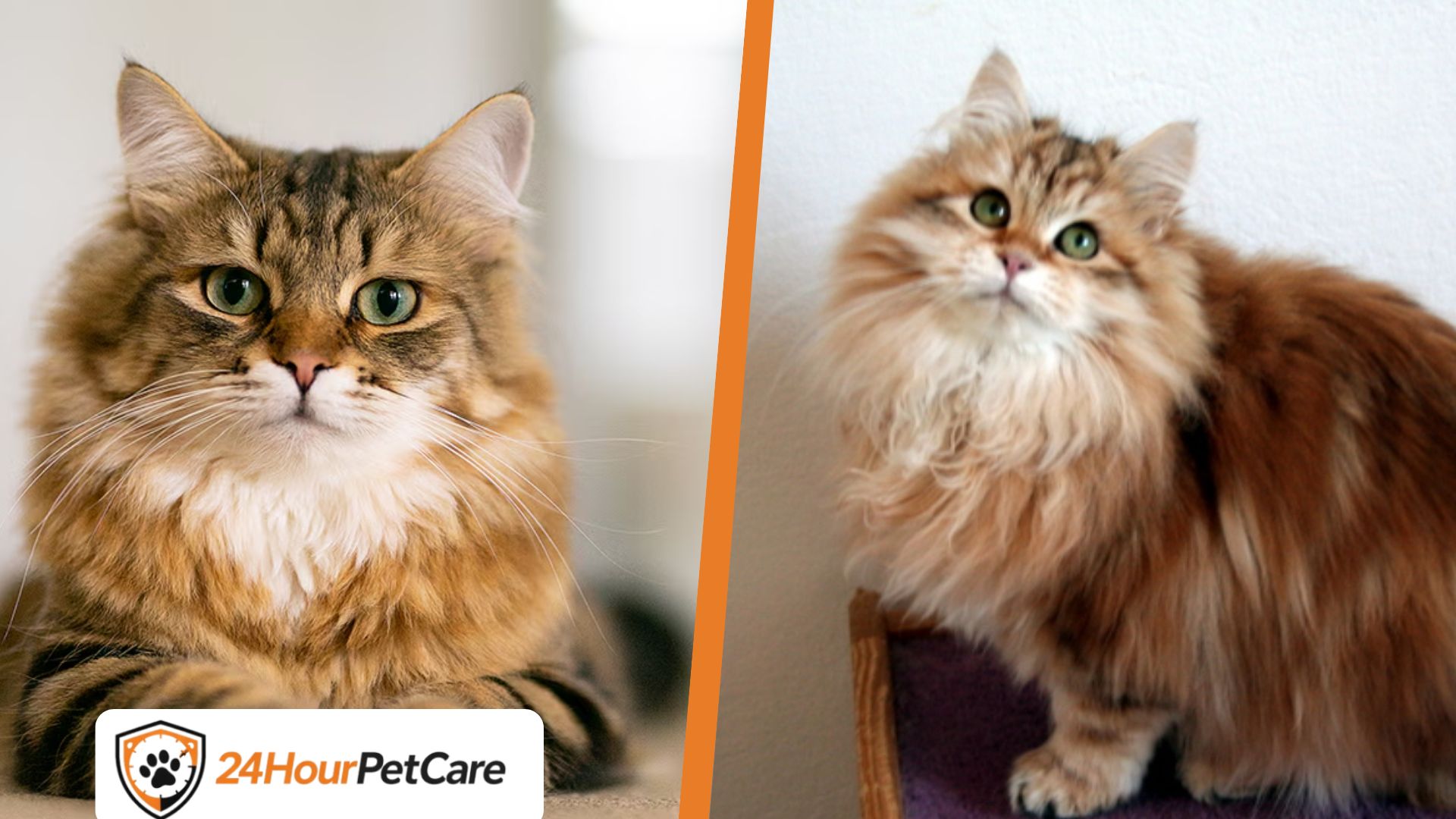
The Siberian Cat: The Fluffy Russian Beauty with a Powerful Build and a Surprisingly Sweet Personality is one of the most admired cat breeds worldwide. Its thick fur, muscular body, and affectionate temperament make it stand out. Originating in the cold forests of Siberia, Russia, this breed adapted to harsh climates, developing a unique combination of strength, elegance, and friendliness. People around the world are drawn to its playful nature and striking appearance, making it a favorite among cat lovers.
Origin and History of the Siberian Cat
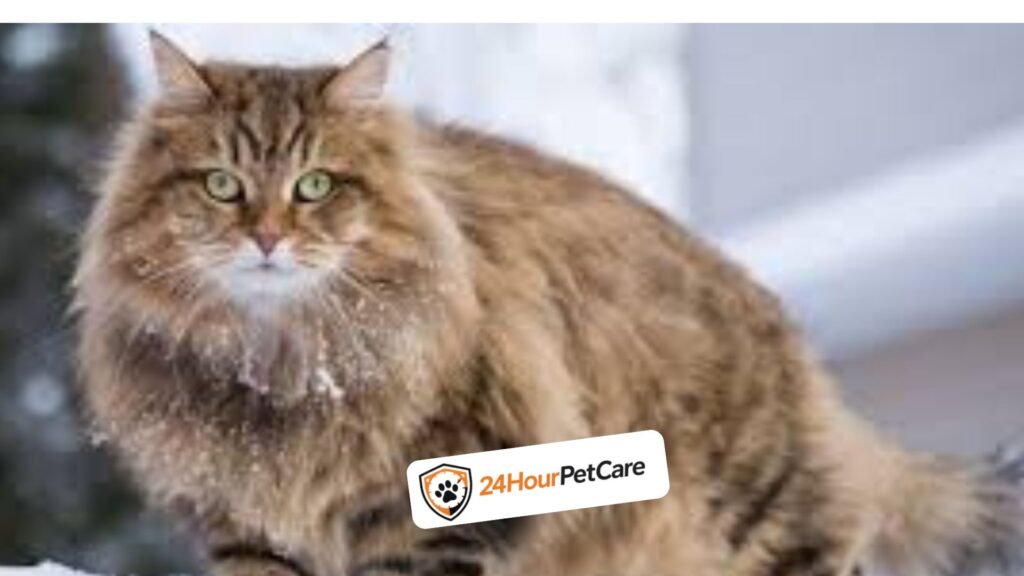
The Siberian Cat: The Fluffy Russian Beauty with a Powerful Build and a Surprisingly Sweet Personality has a rich history dating back centuries. Native to the Siberian forests, it evolved naturally without human interference. Indigenous groups like the Chukchi people recognized the breed for its intelligence and hunting skills. Over time, Siberian cats became companions in households while maintaining their natural agility. Their resilient nature allowed them to survive extreme cold, thick snow, and harsh weather, giving rise to their famous triple-layered fur.
Physical Characteristics and Size
One of the most striking features of the Siberian Cat: The Fluffy Russian Beauty with a Powerful Build and a Surprisingly Sweet Personality is its dense coat. This coat is water-resistant, protecting the cat from icy Siberian winters. Their body is muscular and medium to large, allowing for impressive leaps and climbs. Male Siberians are especially strong, often surprising new owners with their size. Compared to the Siberian tiger, the domestic Siberian cat may be smaller, but it shares the same resilience and protective fur.
Personality and Temperament
The Siberian Cat: The Fluffy Russian Beauty with a Powerful Build and a Surprisingly Sweet Personality is known for its friendly and playful personality. They are intelligent, curious, and enjoy human company, often following owners around the house. Siberian cats can sometimes act like dogs, playing fetch or walking on a leash. Their affectionate behavior makes them ideal for families and single owners alike. Unlike many cat breeds, they are social with strangers and other pets, enhancing their reputation as a gentle and loving companion.
Health and Lifespan
Siberian cats are generally healthy and robust due to their natural evolution. Their strong immune system helps them fight common feline diseases. Regular vet checkups are essential, but most Siberians live between 12 to 15 years. They may develop minor issues like hypertrophic cardiomyopathy, but responsible breeding reduces risks. Proper diet, exercise, and mental stimulation keep them healthy. Their hardy nature mirrors that of the Siberian Husky, another breed adapted to cold climates and outdoor living.
Grooming and Care Tips
Despite their thick fur, grooming a Siberian Cat: The Fluffy Russian Beauty with a Powerful Build and a Surprisingly Sweet Personality is manageable. Brushing two to three times a week prevents mats and reduces shedding. During seasonal changes, extra care is necessary to maintain their coat’s health. Regular nail trimming, dental care, and ear cleaning are also recommended. Siberians love interactive play, so providing toys, scratching posts, and climbing spaces enriches their environment.
Diet and Nutrition
A balanced diet is essential for the Siberian Cat: The Fluffy Russian Beauty with a Powerful Build and a Surprisingly Sweet Personality. High-quality proteins and fats support their muscular build and energy levels. Supplements like omega-3 fatty acids can improve fur texture, keeping it shiny and strong. Fresh water should always be available. Feeding routines should match activity levels, especially for kittens, who require higher calories for growth, similar to Siberian Husky puppies needing energy for active play.
Siberian Cats and Allergies
Many people find the Siberian Cat: The Fluffy Russian Beauty with a Powerful Build and a Surprisingly Sweet Personality less allergenic than other breeds. While not fully hypoallergenic, they produce lower levels of the Fel d 1 protein, responsible for allergic reactions. Families with mild cat allergies sometimes choose Siberians because they are easier to tolerate. Their friendly nature combined with low allergen production makes them excellent companions for homes with sensitive members.
Breeding and Kittens
Breeding a Siberian Cat: The Fluffy Russian Beauty with a Powerful Build and a Surprisingly Sweet Personality requires care and knowledge. Responsible breeders focus on maintaining health, temperament, and coat quality. Kittens are playful, curious, and require socialization from an early age. Introducing them to gentle handling, other pets, and safe exploration ensures well-adjusted adult cats. Watching a Siberian kitten grow highlights the breed’s intelligence and affectionate behavior.
Comparisons with Other Cats and Animals
Siberian cats are sometimes compared to other breeds. The Siberian Forest Cat is a close relative, often used interchangeably. Unlike more delicate breeds, Siberians have muscular builds. Comparing them to wild cats like the Siberian tiger shows shared traits like strength and resilience. In terms of behavior, Siberian cats resemble Siberian Huskies in social and playful qualities. These comparisons help owners appreciate their versatility and unique characteristics.
Siberian Cats in Popular Culture
While not as famous as Trans-Siberian Orchestra or the Siberian tiger, the Siberian Cat: The Fluffy Russian Beauty with a Powerful Build and a Surprisingly Sweet Personality has gained recognition through social media, movies, and TV shows. Their striking appearance and charming personality make them popular among influencers and pet lovers. Online communities dedicated to Siberian cats share tips, photos, and videos, helping owners connect and learn more about this extraordinary breed.
Siberian-Related Wonders
The word Siberian also connects to many fascinating things. The Siberian tiger is a powerful wild cat; the Siberian Husky is a sled dog known for strength and endurance. The Trans-Siberian Orchestra captivates audiences with Christmas Canon and winter tours, including the 2025 tour. The Siberian iris and Siberian flying squirrel represent Siberia’s natural diversity. Exploring these connections enriches understanding of Siberia’s culture, wildlife, and influence, reflecting the Siberian cat’s heritage.
Fun Facts About Siberian Cats
- Siberian cats can jump five times their body length, showing powerful build.
- They have water-resistant fur, an adaptation from cold climates.
- Many Siberians are hypoallergenic, unlike most cats.
- They are intelligent and may play fetch or follow commands.
- Siberians are sometimes called Siberian Forest Cats, emphasizing their wild origin.
Choosing the Right Siberian Cat
Selecting a Siberian Cat: The Fluffy Russian Beauty with a Powerful Build and a Surprisingly Sweet Personality requires attention to health, lineage, and temperament. Reputable breeders ensure kittens are vaccinated, socialized, and healthy. Consider your lifestyle: Siberians need playtime and interaction, much like Siberian Huskies need exercise. Their friendly nature makes them suitable for families, singles, and multi-pet homes, ensuring a lasting, loving bond.
Siberian Cats and Family Life
The Siberian Cat: The Fluffy Russian Beauty with a Powerful Build and a Surprisingly Sweet Personality fits well in family life. Children enjoy their playful antics, and adults appreciate their calm presence. Siberians can live peacefully with other pets, including dogs. Their social and gentle nature makes them a natural addition to any loving household. Families often describe their Siberian cats as affectionate, loyal, and intelligent companions.
Travel and Adaptation
Although Siberian cats are indoor pets for most, some adapt well to outdoor exploration. Harness training allows safe walks, reflecting their adventurous nature. Siberians tolerate varying climates thanks to their thick fur, though extreme heat requires careful monitoring. Traveling with Siberian cats, like visiting pet-friendly locations, requires preparation and patience, but their adaptable temperament makes it easier than expected.
Siberian Cats and Modern Life
Modern urban homes often suit the Siberian Cat: The Fluffy Russian Beauty with a Powerful Build and a Surprisingly Sweet Personality. They enjoy toys, climbing trees, and interactive games. Their calm yet playful behavior fits apartments and houses alike. Technology, such as automatic feeders and interactive play devices, enhances their lives. Siberians thrive on attention, exercise, and mental stimulation, showing intelligence and adaptability to modern living.
Frequently Asked Questions
1. What is a Siberian Cat?
A Siberian Cat: The Fluffy Russian Beauty with a Powerful Build and a Surprisingly Sweet Personality is a natural breed from Siberia, known for its thick fur and friendly temperament.
2. Are Siberian Cats hypoallergenic?
Yes, they produce less Fel d 1 protein, making them easier for allergy-sensitive people to enjoy.
3. How big do Siberian Cats grow?
Siberian cats are medium to large, with males being muscular and strong, sometimes surprising new owners with their size.
4. How do I care for a Siberian Cat?
Regular brushing, balanced nutrition, mental stimulation, and playtime keep the Siberian Cat: The Fluffy Russian Beauty with a Powerful Build and a Surprisingly Sweet Personality healthy and happy.
5. Can Siberian Cats live with other pets?
Yes! They are social and gentle, often living well with other cats, dogs like Siberian Huskies, and children.
Conclusion
The Siberian Cat: The Fluffy Russian Beauty with a Powerful Build and a Surprisingly Sweet Personality is a remarkable breed. Its combination of beauty, strength, intelligence, and affection makes it a favorite worldwide. From the forests of Siberia to homes across the globe, this cat represents resilience, charm, and loyalty. With proper care, nutrition, and love, the Siberian cat enriches lives, just like Siberian Huskies, Siberian tigers, and even Trans-Siberian Orchestra enrich culture and nature.
