


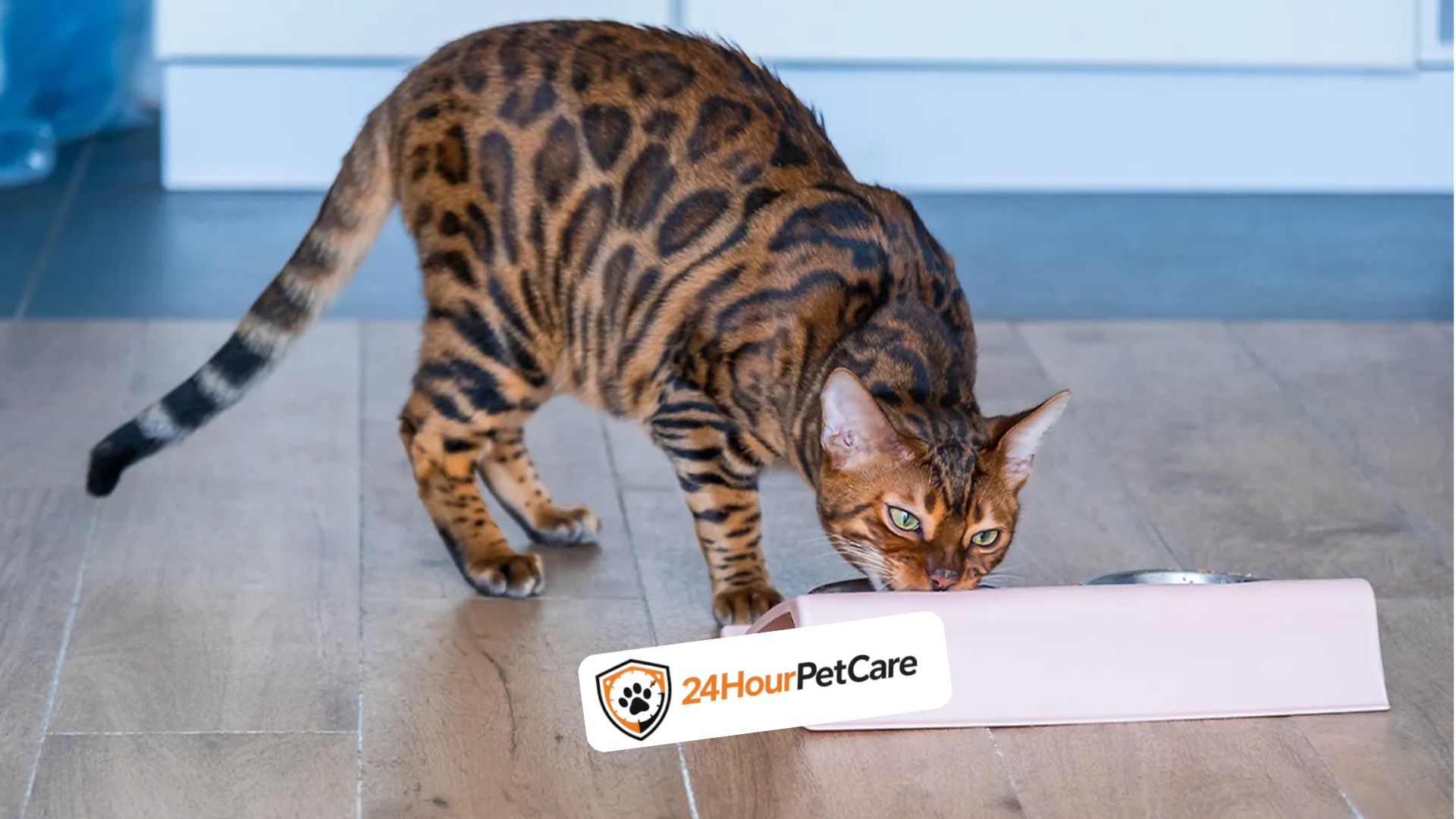
The Serengeti Cat: The Wild-Looking Beauty That Turns Every Head at First Glance! is a modern domestic cat breed that looks like a wild hunter from Africa. Many people think it comes directly from the plains of Africa, but this is not true. It was developed in the United States to look wild but behave like a loving house cat. This special mix of beauty and personality makes it very popular.
Origin and History of the Serengeti Cat
The Serengeti Cat: The Wild-Looking Beauty That Turns Every Head at First Glance! was created in 1994 by Karen Sausman in California. She was a professional breeder who wanted a cat that looked like the African Serval, but without using any recent wild blood. Her goal was to keep the cat fully domestic and safe for families.
To create this breed, she crossed the Bengal cat with the Oriental Shorthair. The Bengal gave the spotted coat and strong body. The Oriental Shorthair gave long legs and large ears. After careful breeding, the Serengeti cat was born. Over time, breeders improved the look and personality.
The breed is recognized by The International Cat Association (TICA). Recognition by TICA means the breed follows strict standards. These standards protect health, appearance, and temperament. Today, the Serengeti cat is still rare but gaining popularity around the world.
Why Is It Called “Serengeti”?
The name “Serengeti” comes from Serengeti National Park in Tanzania. This park is famous for wide grasslands and wild animals. It is also home to the Great Migration, where more than 1.5 million wildebeest travel across the plains every year.
Even though the Serengeti cat does not come from Africa, its name matches its wild look. When people hear the name, they think of lions, cheetahs, and open skies. This strong image makes the breed more exciting and attractive.
Physical Appearance and Body Structure
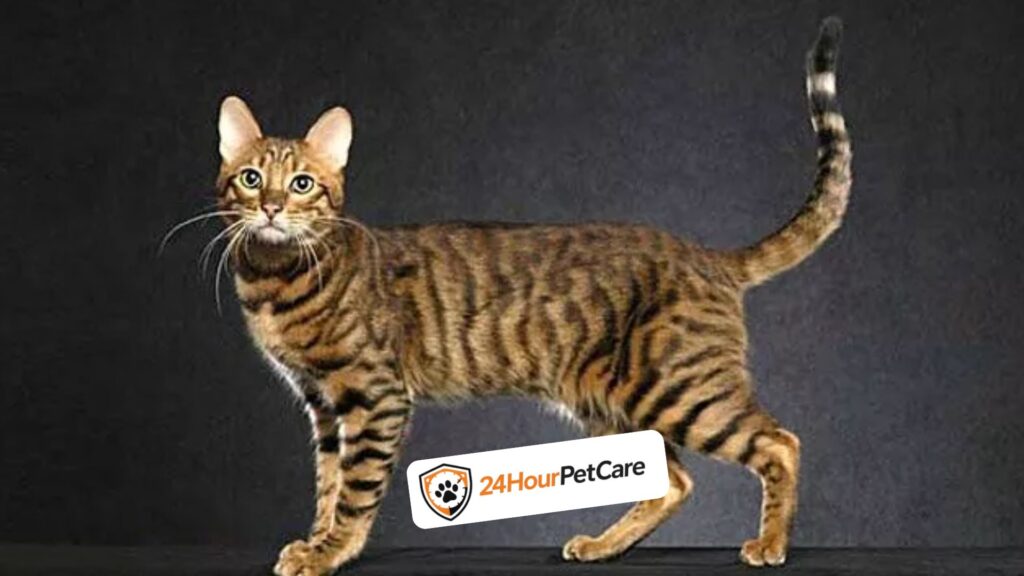
The body of the Serengeti Cat: The Wild-Looking Beauty That Turns Every Head at First Glance! is long, slim, and muscular. It stands tall compared to many other house cats. The long legs give it a graceful and confident walk.
One of its most special features is its ears. The ears are large, wide at the base, and stand straight up. This makes the cat look alert and curious. Its eyes are round and usually gold or amber in color.
The weight usually ranges from 8 to 15 pounds. Males are often bigger than females. Even though it looks slim, it is strong and athletic. It can jump very high and move very fast.
Coat, Colors, and Patterns
The coat of the Serengeti Cat: The Wild-Looking Beauty That Turns Every Head at First Glance! is short and soft. It feels smooth to touch and lies close to the body. Because the coat is short, grooming is easy.
The most common coat pattern is spotted tabby. The spots should be bold, dark, and clearly visible. Other colors include black and smoke. The spotted design is very important because it gives the wild appearance.
Unlike some hybrid breeds, this cat does not have recent wild genes. It only comes from domestic cats. This makes it easier to own and care for.
Personality and Behavior
The Serengeti Cat: The Wild-Looking Beauty That Turns Every Head at First Glance! is active and playful. It loves to explore and climb. Owners should provide tall cat trees and shelves. This breed enjoys being high above the ground.
It is also very social. It likes to stay near its family members and follow them around the house. It can get along well with children and other pets if socialized early.
This breed is intelligent. It can learn tricks and simple commands. Many owners say their cat can play fetch or walk on a leash. Positive training with treats works best.
Activity Level and Exercise Needs
This breed has high energy. The Serengeti Cat: The Wild-Looking Beauty That Turns Every Head at First Glance! needs daily playtime. Without enough exercise, it may become bored.
Interactive toys, feather wands, and puzzle feeders are helpful. Mental stimulation is just as important as physical exercise. A bored cat may scratch furniture or try to escape outside.
If you live in an apartment, you must provide vertical climbing spaces. Wall shelves and tall furniture can help meet its needs.
Health and Lifespan
The Serengeti Cat: The Wild-Looking Beauty That Turns Every Head at First Glance! is generally healthy. Because it is a newer breed, breeders work carefully to prevent genetic problems.
One possible health issue is bladder stones. This condition can cause pain and difficulty urinating. Regular vet visits and proper diet reduce the risk. Always provide clean water and high-quality food.
The average lifespan is around 12 to 15 years. With good care, some may live even longer. Regular vaccinations and checkups are important.
Grooming and Care
Grooming is simple because of the short coat. Brushing once a week is enough. This removes loose hair and keeps the coat shiny.
Nails should be trimmed every few weeks. Ears should be checked regularly for dirt. Dental care is also important. Brushing the teeth prevents gum disease.
The Serengeti Cat: The Wild-Looking Beauty That Turns Every Head at First Glance! enjoys attention, so grooming time can also be bonding time.
Comparison With Savannah Cat
Many people compare this breed with the Savannah cat. The Savannah has real Serval blood. Because of this, some countries have legal restrictions on owning Savannah cats.
The Serengeti cat is fully domestic. It does not have recent wild DNA. This makes it legal in more places and easier to manage at home.
Both breeds look exotic, but the Serengeti cat is often calmer and more suitable for families.
Cost and Availability
The Serengeti Cat: The Wild-Looking Beauty That Turns Every Head at First Glance! is rare. Because of this, the price can be high. A kitten may cost between $600 and $2,000.
Always choose a responsible breeder registered with TICA. Ask for health records and meet the kitten’s parents if possible. Avoid very cheap online offers, as they may be scams.
Living Environment
This breed adapts well to indoor life. However, it needs space to move and climb. A small home can work if there are climbing areas.
The Serengeti Cat: The Wild-Looking Beauty That Turns Every Head at First Glance! enjoys watching from high places. This behavior connects to its natural hunting instincts.
Outdoor access should be supervised. A secure garden or leash training is safer than free roaming.
Why the Serengeti Cat Stands Out
The Serengeti Cat: The Wild-Looking Beauty That Turns Every Head at First Glance! is one of the most unique domestic cat breeds in the world. With its long legs, spotted coat, and large, alert ears, it looks like a miniature wild hunter from the African plains. Despite its wild appearance, the Serengeti Cat is fully domestic, friendly, and safe for families. It was created by crossing the Bengal cat and Oriental Shorthair, combining elegance, agility, and intelligence. This breed is highly active and curious, enjoying climbing, jumping, and exploring its environment. Its playful personality makes it a perfect companion for interactive owners who can provide toys, shelves, and daily attention. The Serengeti Cat is also recognized by TICA, ensuring healthy breeding standards. Its exotic look, combined with a loving temperament, makes it not only a visually stunning pet but also a loyal, engaging, and highly interactive companion in any home.
Cultural and Name Influence
The word “Serengeti” is famous worldwide. Serengeti National Park is a UNESCO World Heritage Site. It attracts thousands of tourists every year.
Luxury places like Four Seasons Safari Lodge Serengeti offer visitors a chance to see lions and elephants closely. The name is also used by Serengeti Eyewear, a sunglasses brand known for advanced lens technology.
These strong name connections make the Serengeti cat more attractive. The name gives feelings of adventure and nature.
Frequently Asked Questions
1. Is the Serengeti Cat a wild cat?
No, the Serengeti Cat is fully domestic. It was created by crossing the Bengal cat and Oriental Shorthair. It has no recent wild DNA.
2. How big does a Serengeti Cat grow?
An adult Serengeti Cat usually weighs between 8–15 pounds. Males are often larger than females and have long, strong legs.
3. Is the Serengeti Cat good for families?
Yes, the Serengeti Cat is social and active. It can live well with families, children, and other pets if trained early.
4. How much exercise does a Serengeti Cat need?
This breed is energetic and needs daily playtime. Cat trees, climbing shelves, and interactive toys are very important.
5. How much does a Serengeti Cat cost?
A Serengeti Cat kitten usually costs between $600–$2,000, depending on breeder quality and location.
Final Thoughts
The Serengeti Cat: The Wild-Looking Beauty That Turns Every Head at First Glance! is a perfect mix of wild beauty and domestic love. It has long legs, big ears, and a spotted coat that makes it stand out.
At the same time, it is friendly, smart, and loyal. With proper care, space, and attention, it becomes a wonderful companion. If you want a cat that looks like it came from the African plains but lives happily in your home, this breed is an excellent choice.
