


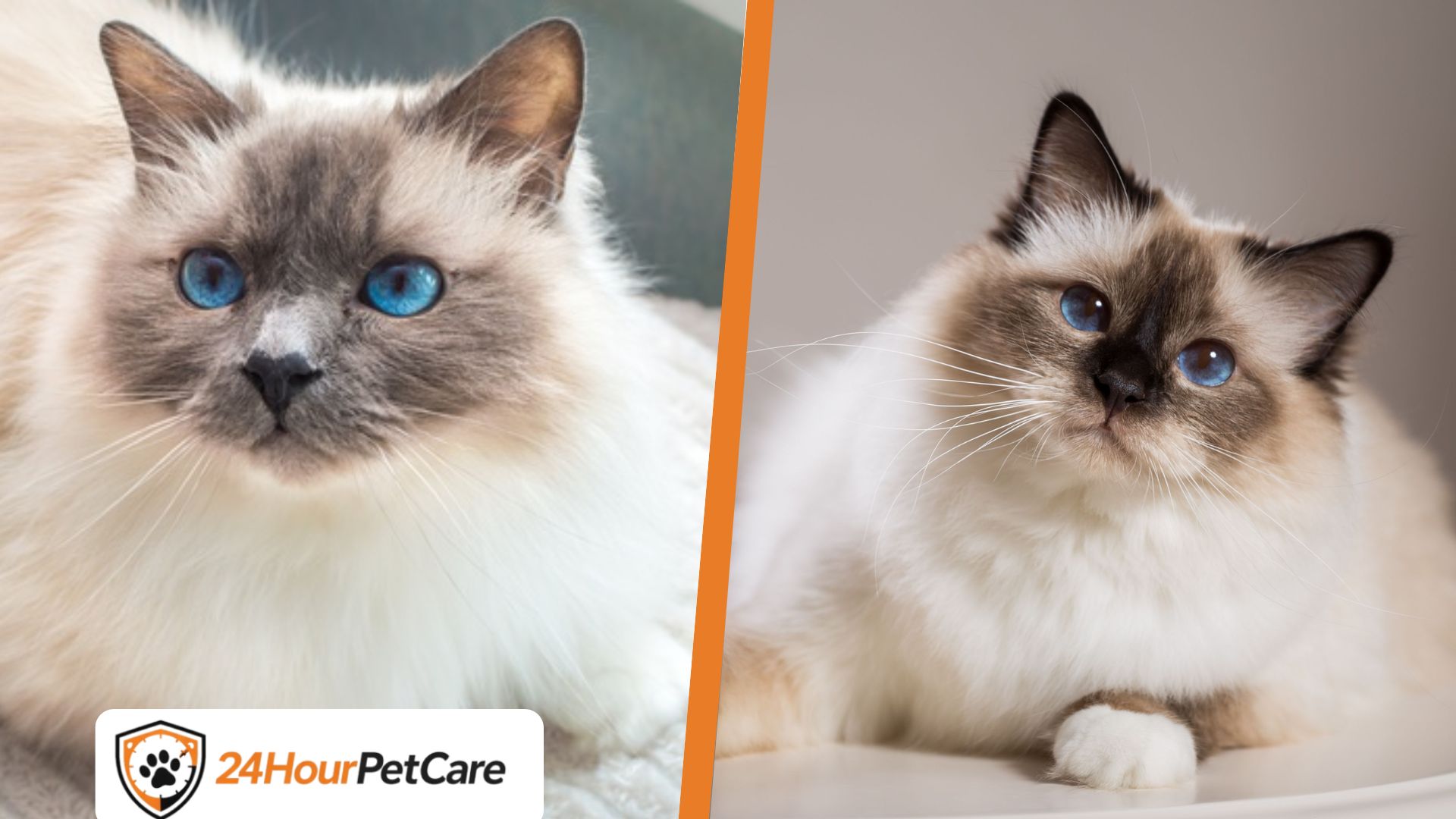
The Birman Cat is a stunning, affectionate breed loved by families worldwide. Known for its deep blue eyes, silky coat, and white “gloves”, the Birman combines beauty with gentle personality. This breed is calm, loyal, and playful, making it a perfect companion. In this guide, you will learn everything about the Birman Cat, including personality, price, care, breeders, kittens, and comparisons with similar breeds like the Ragdoll.

Origin and History of the Birman Cat
The Birman Cat is sometimes called the Sacred Cat of Burma, believed to have lived in temples centuries ago. Legends say temple cats were sacred companions to priests and were thought to bring blessings to humans.
In the early 20th century, the breed was introduced to France, where dedicated breeders helped develop modern standards. After World War II, the breed nearly disappeared in Europe, but careful breeding saved the Birman Cat. Today, the breed is officially recognized by associations like CFA and TICA.
Physical Characteristics of the Birman Cat
The Birman Cat breed is medium to large, with a muscular yet graceful build. Its coat is long, silky, and low-maintenance, unlike some other long-haired cats. The most recognizable feature is its pure white gloves on all four paws, combined with color points on ears, face, legs, and tail.
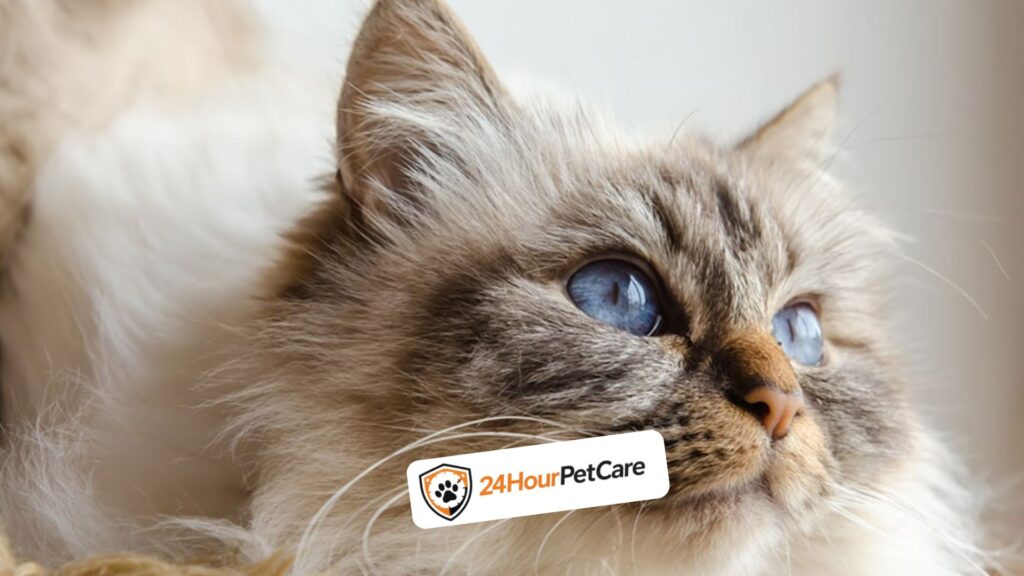
Eye color is always sapphire blue, giving this cat a regal appearance. The breed comes in colors like seal, chocolate, blue, lilac, red, and cream. Its gentle face and well-proportioned body make the Birman Cat highly attractive.
Birman Cat Personality and Temperament
The Birman Cat personality is known for being calm, friendly, and affectionate. They enjoy spending time with their owners and often follow them around the home. This breed is social, making it ideal for families with children or other pets.
Birman Cats are gentle, not overly loud, and enjoy interactive play. They are curious without being hyperactive. If you want a loving companion who blends beauty with loyalty, the Birman Cat is an excellent choice.
Social Behavior and Bonding
Birman Cats form strong bonds with their families. They are known as “velcro cats” because they often follow their owners from room to room. This breed enjoys attention but does not demand it aggressively.
They also get along well with other cats and dogs. If you have another pet at home, a Birman Cat will likely adapt quickly. Their friendly nature makes them perfect for households seeking a calm and loving companion.
Exercise and Play Needs
Although not highly energetic, the Birman Cat requires daily activity to stay healthy. Experts recommend 15–20 minutes of interactive play per day, using feather toys, small balls, or cat wands.
Mental stimulation is equally important. Puzzle feeders and climbing structures help keep the Birman Cat engaged. They enjoy human interaction and do not like being left alone for long periods. A playful, stimulated Birman Cat is a happy Birman Cat.
Grooming and Coat Care
Despite their long fur, Birman Cats are relatively easy to groom. Brushing two to three times per week prevents tangles and keeps the coat soft.
Owners should also clean the ears, trim nails, and monitor eye health regularly. Bathing is only necessary if the cat becomes dirty. A healthy diet and regular care make the Birman Cat’s coat shine and maintain its elegance.
Feeding and Nutrition
A balanced diet is vital for a Birman Cat’s health. High-quality protein is essential to support muscle development. Include wet and dry food suitable for their age and activity level.
Overfeeding may cause obesity, which is a concern in Birman Cats. Avoid table scraps and ensure fresh water is always available. Proper nutrition enhances the Birman Cat personality, keeping them active and playful.
Health and Lifespan
The Birman Cat typically lives 12–16 years. Regular vet checkups are essential to detect problems early. Common health issues include heart disease, obesity, and dental problems.
Vaccinations, parasite prevention, and routine dental care maintain the cat’s health. A well-cared-for Birman Cat is not only beautiful but also energetic and affectionate well into its senior years.
Birman Cat Breeders and Buying Tips
When searching for Birman kittens for sale, choose reputable Birman Cat breeders. Verified breeders provide vaccination records, health checks, and pedigree papers.
Avoid buying from unverified sellers. A healthy Birman Cat kitten should be active, social, and curious. Visiting breeders in person ensures transparency and confidence when bringing a Birman Cat home.
Birman Cat Price
The Birman Cat price varies depending on pedigree, color, and breeder reputation. On average, kittens cost between $600 and $2,000. Show-quality kittens or rare color points may cost more.
Besides the purchase price, owners should consider monthly costs for food, toys, litter, grooming, and vet care. Investing in a Birman Cat means committing to its health and happiness for many years.
Birman Kittens
Birman kittens are born entirely white. Their signature color points and gloves develop as they grow, typically by 8–12 weeks. These kittens are playful, curious, and social from an early age.
Raising a Birman Cat kitten requires gentle handling and early socialization. Playtime, proper diet, and attention help develop a confident, healthy adult Birman Cat.
Birman Cat vs Ragdoll
Many people compare the Birman Cat vs Ragdoll. Both breeds have long coats and striking blue eyes. However, the Ragdoll is usually larger and has a limp-body trait when held.
The Birman Cat is smaller, more active, and has strict white gloves. Both breeds are affectionate, but the Birman Cat personality is slightly more independent and curious than the Ragdoll.
Training Your Birman Cat
Birman Cats are intelligent and can learn simple tricks. Positive reinforcement works best, using treats, praise, and consistency.
Training helps strengthen the bond between the Birman Cat and owner. They can learn to fetch toys, respond to commands, and enjoy interactive activities, showing off both their intelligence and affectionate nature.
Common Misconceptions
Some people think Birman Cats are too delicate for families. In reality, they are resilient and adapt to various environments. They enjoy calm spaces but handle lively households well.
Another misconception is that long-haired cats require daily brushing. While the Birman Cat has long fur, grooming every few days is enough, making it a low-maintenance breed compared to other long-haired cats.
Living With a Birman Cat
A Birman Cat adapts well to apartments or houses. They enjoy quiet corners for rest but also follow owners for companionship. These cats rarely exhibit destructive behavior.
If left alone too long, a Birman Cat may show signs of loneliness. Having another pet or interactive toys can reduce stress. Overall, the Birman Cat personality makes them a perfect family pet.
Hidden Facts About the Birman Cat
Kittens are born completely white, and their points develop with age. This is due to temperature-sensitive genes, a fascinating genetic feature.
In show cats, the white gloves must be symmetrical. This requirement makes breeding high-quality Birman Cat kittens challenging. Only experienced breeders can ensure perfect markings, showing how special this breed is.
Alexandre Birman and Birman Shoes
The name “Birman” is also connected to Alexandre Birman, a famous Brazilian luxury shoe designer. His Alexandre Birman shoes are known globally for quality, elegance, and craftsmanship.
While the words are the same, Birman shoes and the Birman Cat are unrelated. Remember, one is a luxury fashion brand, and the other is a beloved pet with royal looks and a gentle heart.
Why the Birman Cat Is Special
The Birman Cat is more than just a pet. Its combination of beauty, affectionate nature, and intelligence makes it ideal for families. Blue eyes, soft fur, and white gloves give a regal appearance, while its loving personality makes it approachable and friendly.
Owning a Birman Cat means welcoming a companion who is loyal, playful, and emotionally attuned to its family. It is a cat that truly acts like royalty but loves like a best friend.
Frequently Asked Questions
Q1: What is a Birman Cat?
A: The Birman Cat is a long-haired, blue-eyed breed known for white gloves and a gentle, affectionate personality.
Q2: How much does a Birman Cat cost?
A: A Birman Cat typically costs $600–$2,000 depending on pedigree, color, and breeder reputation.
Q3: Are Birman Cats good with children and pets?
A: Yes, they are friendly, calm, and adapt well to families with kids and other animals.
Q4: How do I care for a Birman Cat’s coat?
A: Brush the Birman Cat 2–3 times a week and provide regular grooming for nails and ears.
Q5: How long do Birman Cats live?
A: With proper care, a Birman Cat can live 12–16 years, sometimes even longer.
Conclusion
The Birman Cat is an extraordinary breed combining elegance, affection, and intelligence. Its blue eyes, silky coat, and white gloves give it a royal appearance. Beyond looks, the Birman Cat personality is gentle, loving, and social.
Whether you are considering a Birman Cat for sale, exploring Birman kittens, or comparing it to a Ragdoll, this breed remains a top choice for families seeking beauty, loyalty, and companionship. A well-cared-for Birman Cat is not just a pet but a lifelong friend.
