


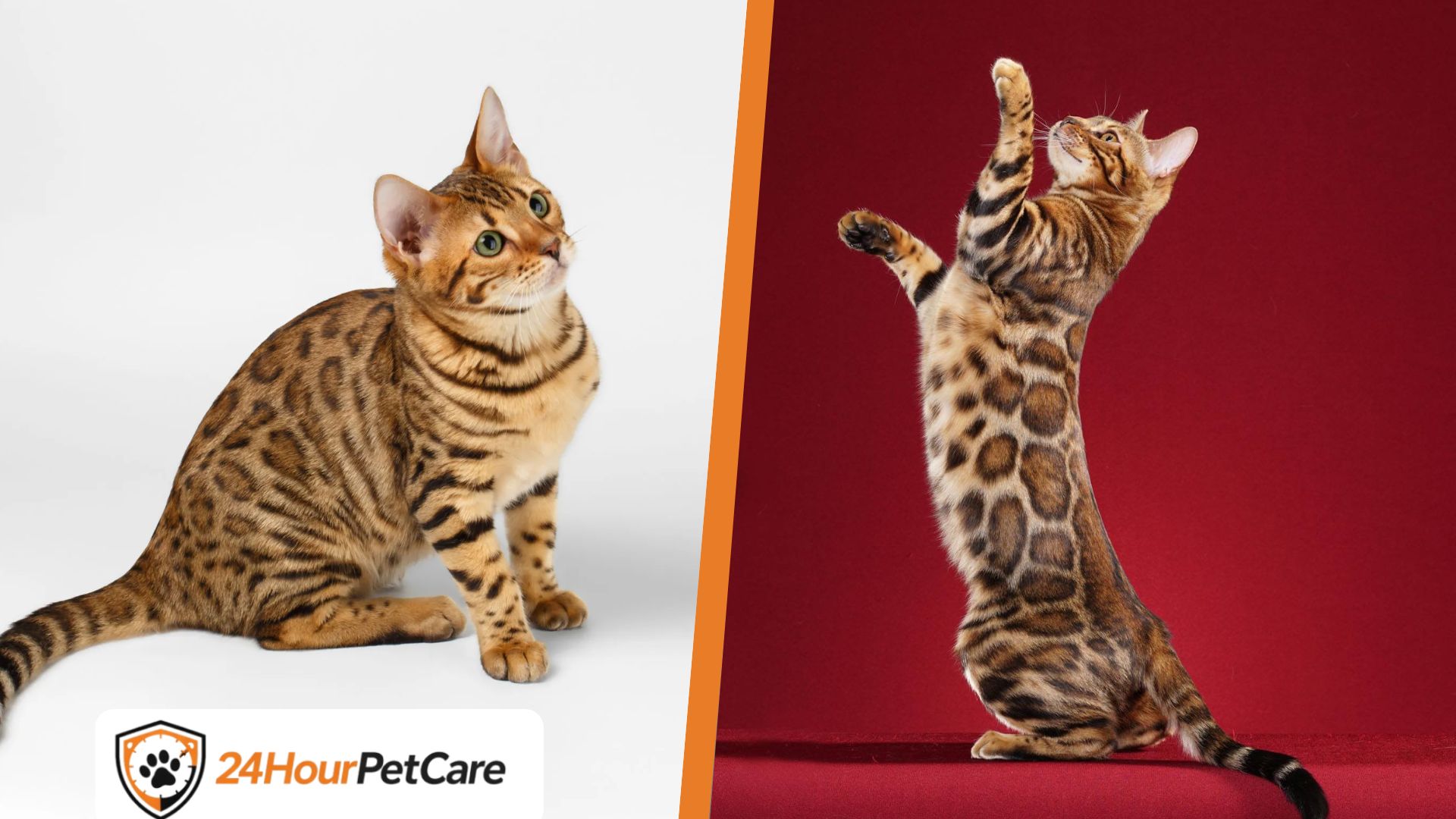
The Bengal cat is one of the most striking and energetic cat breeds in the world. Known for its wild appearance and loyal personality, this cat can become a perfect companion for the right owner. People often fall in love with its bold leopard-like coat, playful energy, and intelligence. In this article, we will explore everything about the Bengal cat, including its origin, personality, care, price, lifespan, and some shocking facts every owner should know. If you want to bring a Bengal cat into your home, this guide will help you make the right decision.
Origin and History of the Bengal Cat
The Bengal cat was first developed in the 1960s in the United States by breeding domestic cats with the Asian leopard cat. The goal was to create a breed with the exotic look of a wild cat while maintaining the friendly and safe temperament of domestic cats.
Jean Mill is credited as one of the pioneers who worked extensively to stabilize the breed. The Bengal cat became officially recognized by TICA (The International Cat Association) in 1983. This recognition helped the breed gain worldwide popularity, from the USA and UK to Europe and Asia. Despite their wild appearance, Bengal cats are fully domestic after several generations of careful breeding.
Appearance: Why the Bengal Cat Looks Wild
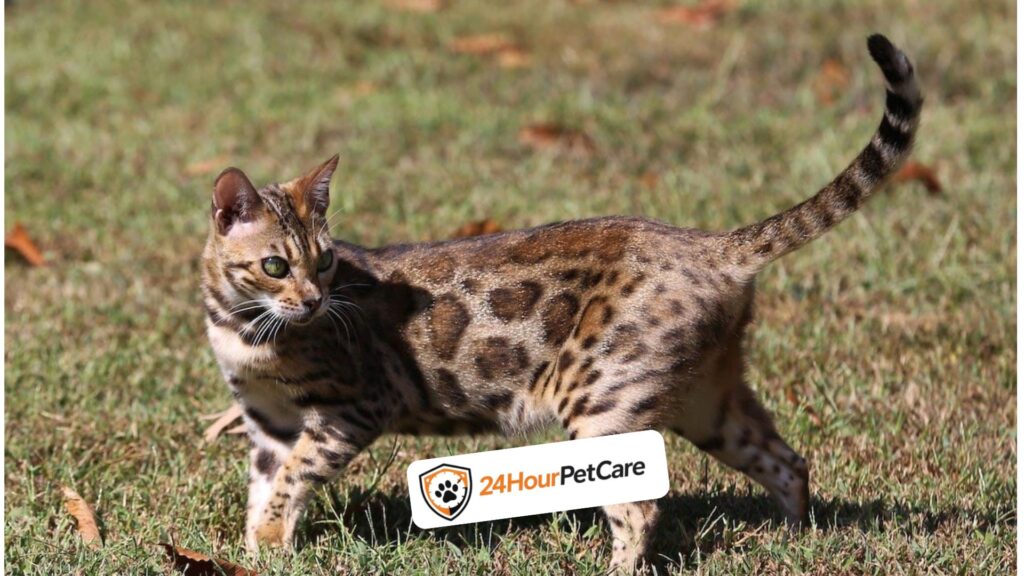
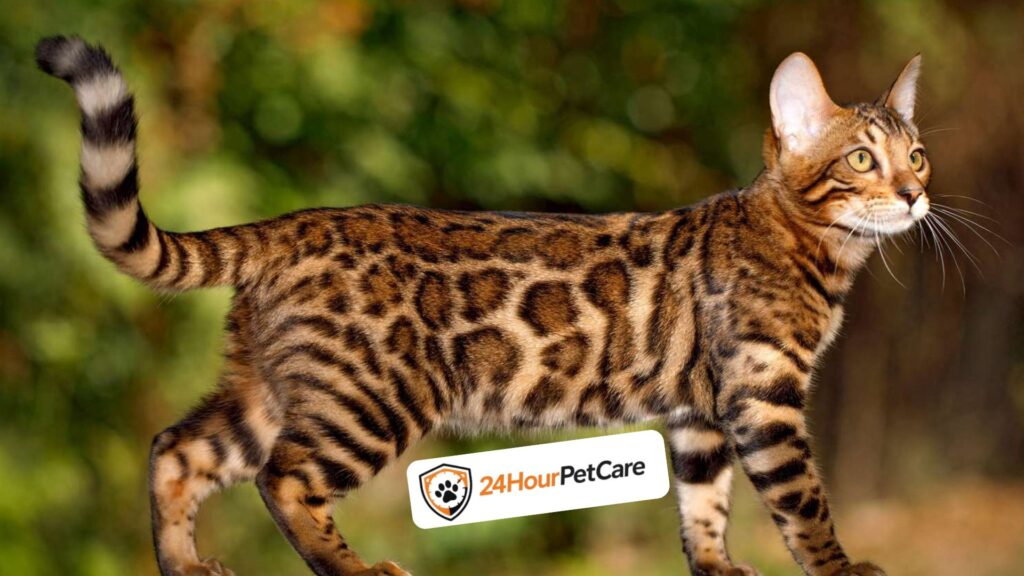
The most striking feature of the Bengal cat is its coat. It is covered with bold spots, rosettes, and sometimes marbled patterns. This coat resembles a small Bengal tiger in appearance, which gives it a wild and exotic look.
There are several color variations of Bengal cats. A brown Bengal cat has a golden base coat with dark spots. A silver Bengal cat has a greyish background with black or dark grey spots. Snow Bengals have cream, ivory, or white fur with soft brown patterns. Rare types include black Bengal cats, which appear darker, but their spots are still visible under the light.
Size and Body Structure
The Bengal cat is medium to large, muscular, and athletic. Males weigh around 4.5 to 7 kg, while females are slightly smaller. Their body is long and lean, with strong legs and a thick, tapering tail.
Their large, expressive eyes are usually green or gold, though snow Bengals may have blue eyes. The Bengal cat’s muscular body and long limbs allow it to jump, climb, and play with agility, showing its wild ancestry clearly.
Personality: Dog-Like Loyalty and Intelligence
Many owners describe the Bengal cat as having dog-like qualities. They enjoy following their owners around the house, playing interactive games, and even learning simple tricks like fetch.
These cats are highly intelligent and curious. They require mental stimulation through toys, puzzle feeders, and interactive play. If a Bengal cat gets bored, it may become mischievous or destructive. Their high energy makes them ideal for active families who can dedicate time to play and attention.
Energy Level and Activity Needs
The Bengal cat is a very active breed. Unlike lazy domestic cats, Bengals love running, climbing, and exploring. They often enjoy jumping to high places, playing with water, and engaging in interactive games.
Providing tall cat trees, shelves, and climbing spaces is essential to satisfy their activity needs. Daily playtime is important to maintain their physical and mental health. Owners should remember that boredom can lead to behavioral problems in Bengal cats.
Bengal Cat Price and Buying Guide
One of the first questions potential owners ask is: how much is a Bengal cat? The Bengal cat price depends on breeder quality, location, and pedigree. On average, a Bengal kitten costs between $1,000 and $3,000.
Show-quality Bengals, which have perfect coat patterns and markings, can cost even more. When searching for Bengal cats for sale, it is important to choose a reputable breeder. Cheap offers often come with hidden health problems or improper care. Always check documentation and health certificates before buying.
Bengal Kittens: What to Expect
A Bengal kitten is playful, curious, and full of energy. Early socialization is important to ensure they grow into friendly and confident adults.
A healthy Bengal kitten should have bright eyes, clean ears, and smooth, shiny fur. Breeders should provide vaccination records, health certificates, and proof of lineage. Avoid buying from illegal or untrustworthy sellers, as this may result in long-term health or behavioral problems.
Lifespan and Health Problems
The Bengal cat lifespan is typically 12 to 16 years. With proper care, some live even longer.
Common health issues include HCM (Hypertrophic Cardiomyopathy), a heart disease, and some hereditary problems. Regular vet check-ups, proper nutrition, and a safe environment help maintain a Bengal cat’s health. Reputable breeders provide genetic testing for serious conditions before selling kittens.
Diet and Nutrition Needs
A Bengal cat requires a high-protein diet because of its active lifestyle. They burn more calories than many other domestic cats, so proper nutrition is crucial.
High-quality wet or dry food rich in animal protein is ideal. Avoid foods with excessive fillers like corn or soy. Fresh water must always be available. Some owners feed raw or home-prepared meals, but consulting a vet is recommended before changing diets.
Grooming and Maintenance
The Bengal cat has a short, dense coat that requires minimal grooming. Brushing once a week is usually enough.
Even though they shed less than long-haired breeds, basic grooming is important. Regular nail trimming, ear cleaning, and occasional dental care ensure the Bengal cat stays healthy.
Indoor or Outdoor Living
The Bengal cat is best kept indoors for safety. Its beauty and rarity make it a target for theft.
If you want to allow outdoor time, use a secure garden or leash training. Many owners even teach their Bengals to walk on a harness. Outdoor play must be monitored to avoid accidents or escape.
Bengal Cat vs Bengal Tiger
The Bengal cat is often compared to the Bengal tiger because of its spotted coat. The tiger is a large, endangered wild cat found in India and Bangladesh, especially in the Sundarbans near the Bay of Bengal.
While the Bengal cat only shares a similar look, it is safe and friendly. Unlike the wild tiger, the Bengal cat is fully domestic and suitable for home living.
Bengal Tiger vs Siberian Tiger
When people discuss wild cats, they often compare Siberian tiger vs Bengal tiger. The Siberian tiger is larger and adapted to cold climates, while the Bengal tiger is smaller but more agile in tropical forests.
The Bengal tiger plays an important role in the ecosystem and is protected by law. Awareness of tiger conservation helps people appreciate the domestic Bengal cat without confusing it with its wild counterpart.
Bengal Monitor Lizard and Other Bengal Animals
The word “Bengal” is also used for other animals like the Bengal monitor lizard, a large reptile found in South Asia. This shows the importance of the Bengal region in naming animals.
Other uses of Bengal include media, films, and series like Khakee: The Bengal Chapter and The Bengal Files. These are not related to the cat breed but are part of Bengal’s cultural significance.
Are Bengal Cats Good for Families
The Bengal cat can be an excellent pet for active families. They love interaction, playtime, and attention.
However, they are not ideal for people seeking a calm and quiet companion. They need space to explore, toys to play, and daily engagement. Families with children can enjoy Bengals, but supervision is important to prevent rough handling.
Shocking Facts Every Owner Must Know
The Bengal cat is highly athletic and can jump several times its body height. Some Bengals open doors or cabinets because of their intelligence.
Early generation Bengals, such as F1 or F2, are closer to wild cats and may have specific legal restrictions in certain countries. Always check local regulations before purchasing. Bengals require mental stimulation to prevent boredom and destructive behavior.
Bengal Cats in Pop Culture
Movies and series such as Khakee: The Bengal Chapter and projects like The Bengal Files have popularized the Bengal name in media. While these do not relate directly to the cat breed, they increase interest in Bengal animals and culture.
Owners often share videos and pictures of Bengal cats online because of their exotic looks and playful behavior, making them one of the most Instagram-famous cat breeds.
Tips for New Bengal Cat Owners
Prepare your home with tall cat trees, safe climbing spots, and interactive toys. Daily playtime is essential. Vet visits ensure health and prevent issues. Provide a high-quality, high-protein diet. Early socialization helps build confidence and friendliness. With these steps, a Bengal cat can thrive in your home.
Frequently Asked Questions
1. How much does a Bengal cat cost?
A Bengal cat price ranges from $1,000 to $3,000 depending on breeder, color, and pedigree.
2. What is the lifespan of a Bengal cat?
The Bengal cat lifespan is usually 12–16 years with proper care, nutrition, and vet checkups.
3. Are Bengal cats good for families?
Yes, they are playful, intelligent, and dog-like, but require daily attention and safe indoor space.
4. What is the difference between a Bengal cat and a Bengal tiger?
The Bengal cat only shares a wild look with the tiger. Bengals are safe, friendly, and domestic.
5. How do I care for a Bengal kitten?
Provide high-protein food, daily play, climbing spaces, socialization, and regular vet care.
Conclusion: Why the Bengal Cat is Special
The Bengal cat is not just a pet; it is an experience. Its wild looks, dog-like loyalty, intelligence, and playful energy make it unique. Proper care, attention, and engagement are essential to keep it healthy and happy.
If you are ready for daily play, mental stimulation, and the higher costs, the Bengal cat can bring joy, companionship, and excitement into your home. With proper care, your Bengal cat will reward you with years of loyalty, affection, and unforgettable moments. Owning a Bengal cat is a commitment but one that is incredibly rewarding for those who understand and embrace the breed’s energy, intelligence, and beauty.
